
Massage Chair Quality Control Checklist: 25 Checks Before Shipment
“Strict quality control” is easy to write on a factory page. It becomes useful to a buyer only when the factory and inspector agree on what to inspect, how to test it, what passes, how many units to check, which defects matter, and what evidence must be recorded.
At Forrest, quality is not treated as one final visual check. Our current process covers incoming materials, component verification, assembly control, function testing, aging and reliability review, final inspection, packaging, and shipment readiness. This checklist turns that process into a buyer-ready inspection brief for massage chair orders.
The 25 checks below follow the real production sequence from incoming parts to container loading. They can support a Forrest order, a buyer-appointed inspector, or a third-party inspection company. Exact numeric limits and sample sizes must be fixed in the approved model specification, control plan, compliance file, golden sample, purchase order, and packaging specification.

Quick Answer
- Do not use one sampling rule for every check. Critical identity, core function, and routine safety screens may require 100% production control; final appearance and workmanship normally use a random acceptance sample; aging and package performance use defined qualification or reliability samples.
- Use an agreed lot-sampling plan such as ISO 2859-1:2026 for final attribute inspection. AQL determines sample size and acceptance/rejection numbers; it is not a promise that the lot contains only that percentage of defects.
- Unless the order file says otherwise, a practical starting point is zero acceptance for critical safety defects and buyer-agreed AQL limits for major and minor defects. New models, new suppliers, changed components, or previous failures justify tightened inspection.
- A pre-shipment inspection should happen after production is complete and enough cartons are packed to draw a representative sample, while leaving time for rework and reinspection before the vessel cut-off.
- Release the lot only when critical defects are absent, sampled results meet the agreed plan, required records are complete, corrective actions are closed, and packaging and loading match the approved shipment file.
Download the Massage Chair Pre-Shipment Quality Control Checklist (PDF)
What the Inspector Needs Before Opening a Carton
A checklist cannot replace an approved product file. Give the inspector the documents that define the order:
- Purchase order, model/configuration list, quantity, colors, voltage, frequency, and plug
- Approved sample or golden-sample reference and signed product specification
- Current BOM, drawings, function matrix, firmware/language revision, and permitted deviations
- Target-market compliance file, rating-label artwork, warning labels, manual, barcode, and carton artwork
- Production control plan, critical-to-quality items, test limits, calibration requirements, and previous corrective actions
- Packing specification, carton drawing, gross weight, accessories, loading plan, and buyer release rule
If two approved documents show different limits, stop and resolve the conflict before inspection. An inspector should not invent a specification at the factory.
How to Combine 100% Checks, AQL Sampling, and Reliability Tests
| Control layer | Best use | Typical coverage | Release evidence |
|---|---|---|---|
| 100% production screen | Critical identity, core motion/function, pack-line items, and required routine safety checks | Every unit at the defined station | Unit/serial result or controlled production log |
| Random final inspection | Appearance, workmanship, carton audit, function verification, and lot acceptance | Sample size from lot size, inspection level, and agreed AQL | Sample code, defect counts, acceptance/rejection result |
| Qualification/reliability test | New designs, safety, stability, aging, durability, heating, and package performance | Defined units/cycles, not an AQL percentage | Test setup, measured values, hours/cycles, report and approval |
| Container loading supervision | Quantity, carton condition, container condition, orientation, stacking, and seal | Every container and 100% carton tally during loading | Container number, seal, count, loading photos and exceptions |
ISO 2859-1:2026 defines AQL-indexed sampling plans for lot-by-lot inspection by attributes. The buyer must choose the inspection level and AQL values before the inspector arrives. For large, safety-related electrical products, many buyers classify defects as follows:
| Defect class | Meaning | Typical examples | Release approach |
|---|---|---|---|
| Critical | Could create an unsafe condition, regulatory nonconformity, or serious hazard | Failed electrical safety test, exposed live part, dangerous pinch point, unstable/tipping condition, wrong critical rating | Normally zero acceptance; hold the lot and investigate containment |
| Major | Could prevent intended use, cause return/service, or materially differ from the approved order | Mechanism stall, airbag leak, no heat, wrong program, damaged upholstery, wrong plug/manual, weak packaging | Count against the agreed major-defect acceptance plan |
| Minor | Does not prevent normal use but falls outside agreed workmanship | Small cosmetic mark, light thread issue, minor gap or print defect within the buyer’s classification rules | Count against the agreed minor-defect acceptance plan |
A passed sample does not prove that every unit is defect-free. It supports a lot-release decision at an agreed statistical risk. Production controls, supplier history, corrective actions, and final sampling should be reviewed together.
25-Point Massage Chair QC Checklist at a Glance
| No. | Inspection check | Recommended coverage |
|---|---|---|
| 1 | Purchase Order, BOM, and Component Identity | Every incoming lot; 100% verification of lot identity and critical ratings, with dimensional or attribute sampling according to the incoming plan. |
| 2 | Upholstery, Foam, and Color Materials | Every material lot; samples taken across multiple rolls, sheets, or batches, with tightened review after a supplier, color, or material change. |
| 3 | Motors, Pumps, Heaters, Boards, Sensors, and Harnesses | Every incoming lot; 100% identity/rating check for critical parts, plus performance sampling and supplier certificates or test records as required by the control plan. |
| 4 | Frame Dimensions, Alignment, and Structural Fit | First-off frame at each setup or fixture change, periodic in-process samples, and additional checks after any tooling, material, or welding correction. |
| 5 | Weld Quality, Burrs, and Surface Protection | 100% in-process visual screen of defined structural welds and edges; periodic dimensional, coating, or strength verification according to the welding and process qualification plan. |
| 6 | Track Installation and Full-Travel Run | 100% line function screen; repeat on the final inspection sample and after any track, carriage, bracket, firmware, or assembly adjustment. |
| 7 | Massage Mechanism, Rollers, and Intensity Response | 100% production function screen for core mechanism movement; full performance matrix on first-off and final samples, with measured checks according to the model plan. |
| 8 | Recline, Zero-Gravity, Lift, and Footrest Motors | 100% full-motion production screen; loaded or extended-cycle verification on the approved sample size and after motor, sensor, linkage, or software changes. |
| 9 | Air Pump, Valve, Tube, and Airbag Routing | 100% in-process routing and connection check plus 100% functional zone cycle; final inspector verifies sampled units with covers and movements complete. |
| 10 | Airbag Pressure and Leakage | 100% functional inflation screen; measured pressure/leak sampling by model and lot, tightened after tube, valve, pump, or airbag changes. |
| 11 | Heating Function and Temperature Protection | 100% heat activation screen; measured multi-point temperature test on first-off and lot samples, plus requalification after heater, sensor, foam, cover, or software changes. |
| 12 | Noise, Vibration, and Abnormal Sound | 100% operator abnormal-sound screen; measured noise on first-off, final samples, complaint-related lots, and after motor, gear, pump, frame, or cover changes. |
| 13 | Wiring Harness, Connector, Fuse, and Strain Relief | 100% in-process visual and connector check at defined stations; final sample review and additional checks after harness, board, plug, frame, or routing changes. |
| 14 | Routine Electrical Safety Tests | 100% production routine testing where required by the applicable control plan; final inspector witnesses tests and reviews traceable records on selected units. |
| 15 | Remote, Touchscreen, Shortcut Keys, and Display | 100% control response screen; full key/menu matrix on first-off and final samples, tightened after controller, display, firmware, language, or artwork changes. |
| 16 | Automatic Programs, Manual Functions, Sensors, and Connectivity | 100% core-function and abbreviated program screen; complete program/configuration matrix on first-off, final samples, and every firmware or feature revision. |
| 17 | Stop Functions, Interlocks, Sensors, and Protective Response | 100% check of user stop and critical production-testable protections; complete safety-function matrix on qualification and final samples according to the control plan. |
| 18 | Stability and Tip Risk in All Positions | Design/qualification test for every relevant model or structural revision; lot verification sample and recheck after frame, base, actuator, center-of-gravity, or footrest changes. |
| 19 | Pinch, Crush, Entrapment, and Sharp-Edge Risk | 100% final visual screen of guards/covers/labels; qualification and lot-sample functional risk checks, repeated after any structure, cover, sensor, or motion change. |
| 20 | Aging and Repeated-Cycle Operation | Defined reliability sample rather than an AQL percentage; longer qualification testing for new designs/major changes and lot aging according to model risk and history. |
| 21 | Post-Aging Full-Function Reinspection | 100% of aging-test samples; failed samples trigger containment, root-cause analysis, corrective action, and an expanded or repeated test as defined by the quality plan. |
| 22 | Appearance, Upholstery, Stitching, Panels, and Cleanliness | 100% factory final appearance screen plus random final inspection to the agreed AQL/defect classification, with tightened sampling for new colors or workmanship issues. |
| 23 | Accessories, Manual, Labels, Serial Number, and Barcode | 100% pack-line checklist or scan for critical identity/items where available, plus final random carton audit and barcode scan across models, colors, and carton positions. |
| 24 | Internal Protection, Carton, Closure, and Package Performance | First packed unit for every model/carton revision; random carton audit in final inspection; package performance qualification by agreed ASTM/ISTA/buyer plan, not an arbitrary test on every shipment. |
| 25 | Final Random Inspection and Container-Loading Release | Final sample size from the agreed ISO 2859-1 inspection level/AQL plan; 100% carton count during loading and one loading record for every container. |
Stage 1: Incoming Materials and Component Inspection
Defects are cheaper to contain before parts reach the line. Incoming control should link each material or component lot to an approved drawing, specification, supplier, revision, and inspection result.
1. Purchase Order, BOM, and Component Identity
| Field | Inspection requirement |
|---|---|
| Inspection method | Compare incoming lot labels, supplier codes, part numbers, revisions, voltage ratings, colors, and quantities with the approved bill of materials, drawings, purchase order, and change-control record. Segregate unapproved substitutions. |
| Pass standard | Part identity, revision, rating, quantity, and approved supplier match the current order file. Any substitution has written approval and updated traceability before use. |
| Recommended coverage | Every incoming lot; 100% verification of lot identity and critical ratings, with dimensional or attribute sampling according to the incoming plan. |
| Common defects | Wrong motor or control-board revision, mixed voltage parts, unapproved supplier, incorrect color, obsolete label, short quantity, mixed component lots. |
| Inspection record | Receiving lot number, supplier, part/revision, quantity, inspection sample, result, nonconformance number, approval reference, inspector and date. |
2. Upholstery, Foam, and Color Materials
| Field | Inspection requirement |
|---|---|
| Inspection method | Compare PU or synthetic leather, fabric, foam, thread, piping, and color against the approved sample and material specification. Review shade under controlled light and check thickness, surface, odor, defects, and roll or batch identity where specified. |
| Pass standard | Material type, shade, grain, thickness, feel, foam specification, and workmanship match the approved standard within stated tolerances; no contamination, mildew, tears, delamination, or objectionable odor. |
| Recommended coverage | Every material lot; samples taken across multiple rolls, sheets, or batches, with tightened review after a supplier, color, or material change. |
| Common defects | Shade variation, wrong grain, thin material, surface pinholes, peeling, weak backing, foam density variation, oil marks, mildew, strong odor. |
| Inspection record | Supplier batch, roll/sheet references, approved sample ID, measurements, shade photos, defect map, disposition and inspector sign-off. |
3. Motors, Pumps, Heaters, Boards, Sensors, and Harnesses
| Field | Inspection requirement |
|---|---|
| Inspection method | Verify component model, rating, connector, wiring pinout, firmware or board revision, and physical condition. Run incoming electrical or functional samples using the approved fixture and test plan. |
| Pass standard | Components match the approved revision, connect correctly, operate within specified electrical and performance limits, and show no cracked housings, loose terminals, corrosion, or transport damage. |
| Recommended coverage | Every incoming lot; 100% identity/rating check for critical parts, plus performance sampling and supplier certificates or test records as required by the control plan. |
| Common defects | Wrong board firmware, noisy motor, weak pump output, open heater, damaged sensor, reversed pinout, loose terminal, bent connector, mixed ratings. |
| Inspection record | Component lot, supplier, model/revision, test fixture, measured values, certificate or supplier report reference, failures and disposition. |
Stage 2: Metal Frame and Weld Inspection
The frame carries the user, massage mechanism, recline system, footrest, covers, and repeated movement. Alignment or weld defects at this stage can appear later as noise, panel gaps, unstable movement, or premature wear.
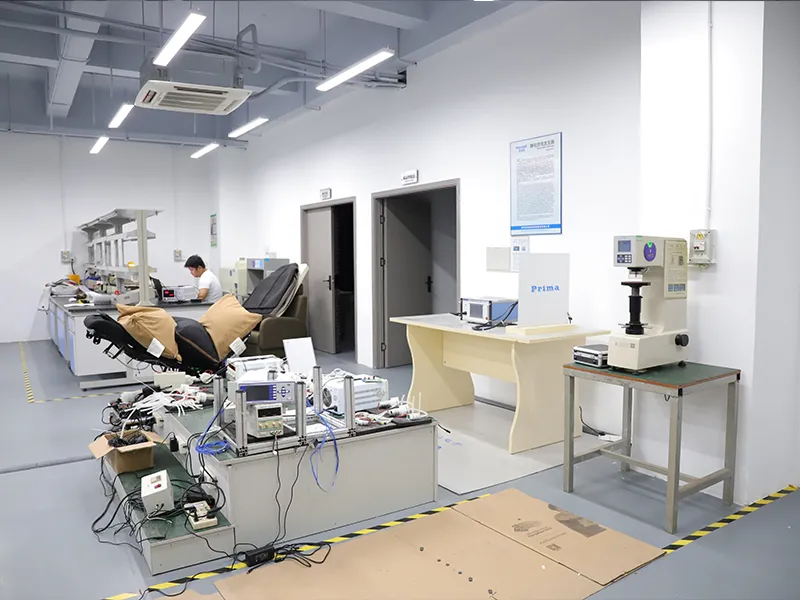
4. Frame Dimensions, Alignment, and Structural Fit
| Field | Inspection requirement |
|---|---|
| Inspection method | Measure defined frame datums, mounting points, diagonals, seat/back geometry, recline pivots, footrest interfaces, and mechanism brackets with approved gauges or fixtures. Check for twist and deformation before assembly continues. |
| Pass standard | Critical dimensions and alignment remain within drawing tolerances; the frame sits correctly in the fixture and accepts the mechanism, panels, and moving assemblies without forcing or rework. |
| Recommended coverage | First-off frame at each setup or fixture change, periodic in-process samples, and additional checks after any tooling, material, or welding correction. |
| Common defects | Twisted frame, out-of-square mounting points, misaligned pivots, incorrect bracket location, deformation, poor footrest fit, forced assembly. |
| Inspection record | Frame lot, drawing revision, gauge/fixture ID, measured datums, first-off approval, periodic results, rework and operator/inspector IDs. |
5. Weld Quality, Burrs, and Surface Protection
| Field | Inspection requirement |
|---|---|
| Inspection method | Visually inspect specified welds for continuity, size, location, spatter, undercut, porosity, cracks, burn-through, and distortion. Check cut edges, burrs, rust prevention, coating coverage, and grounding contact points where applicable. |
| Pass standard | No cracked, missed, or structurally unacceptable weld; no sharp burr or exposed edge; coating and corrosion protection are complete without blocking required electrical or assembly contact surfaces. |
| Recommended coverage | 100% in-process visual screen of defined structural welds and edges; periodic dimensional, coating, or strength verification according to the welding and process qualification plan. |
| Common defects | Missed weld, crack, excessive spatter, porosity, undercut, distortion, sharp tube end, rust, thin coating, paint on grounding point. |
| Inspection record | Frame serial or lot, weld station, visual checklist, defect location photos, process verification result, repair approval and reinspection result. |
Stage 3: Track, Mechanism, and Motor Testing
The massage path and powered movement must be tested as a system. A chair can power on while still having travel deviation, binding, noisy transmission, incorrect homing, or limit-switch problems.
6. Track Installation and Full-Travel Run
| Field | Inspection requirement |
|---|---|
| Inspection method | Run the carriage through the complete approved S, L, SL, or flexible track path in both directions. Check homing, position feedback, clearances, joints, fasteners, cable routing, obstruction, and transition areas. |
| Pass standard | Smooth travel across the full path with correct homing and position response; no binding, derailment, interference, cable contact, abnormal impact, skipped section, or loose track hardware. |
| Recommended coverage | 100% line function screen; repeat on the final inspection sample and after any track, carriage, bracket, firmware, or assembly adjustment. |
| Common defects | Binding, travel deviation, missed home position, collision, loose rail, uneven joint, carriage jump, cable rub, limited coverage. |
| Inspection record | Chair serial/lot, track type, program or fixture used, full-travel result, observed position issue, repair and final retest. |
7. Massage Mechanism, Rollers, and Intensity Response
| Field | Inspection requirement |
|---|---|
| Inspection method | Operate kneading, tapping, rolling, width, speed, depth, spot, and manual controls included in the configuration. Use the approved fixture, load, reference chair, or measured force/current checks specified for the model. |
| Pass standard | All ordered massage axes and adjustments respond correctly, roller pairs remain aligned, force and current stay within model limits, and movement is smooth without stall, slip, impact, or abnormal heat. |
| Recommended coverage | 100% production function screen for core mechanism movement; full performance matrix on first-off and final samples, with measured checks according to the model plan. |
| Common defects | One roller inactive, uneven depth, weak force, stalled motor, slipping gear, wrong width, intermittent motion, excessive heat, incorrect direction. |
| Inspection record | Serial number, mechanism revision, functions tested, settings/load, measured values where required, defect video and retest result. |
8. Recline, Zero-Gravity, Lift, and Footrest Motors
| Field | Inspection requirement |
|---|---|
| Inspection method | Cycle the backrest, seat, lift, zero-gravity positions, and footrest through their full ordered range. Check synchronization, limit switches or sensors, stopping, manual commands, recovery after interruption, and clearances under the specified test load. |
| Pass standard | Each movement starts, stops, reverses, and reaches its defined positions without drift, stall, asymmetric motion, mechanical interference, loss of position, or unintended restart. |
| Recommended coverage | 100% full-motion production screen; loaded or extended-cycle verification on the approved sample size and after motor, sensor, linkage, or software changes. |
| Common defects | Uneven recline, footrest not returning, limit overshoot, motor stall, linkage noise, position drift, movement after stop command, interference with covers. |
| Inspection record | Serial number, motion sequence, load and positions tested, current/time measurements if specified, fault code, repair and retest. |
Stage 4: Airbags, Heating, and Noise Testing
Air pressure, heating, and acoustic behavior need measured or repeatable checks. A simple power-on video cannot show a slow air leak, a localized hot spot, or noise that appears only under load.
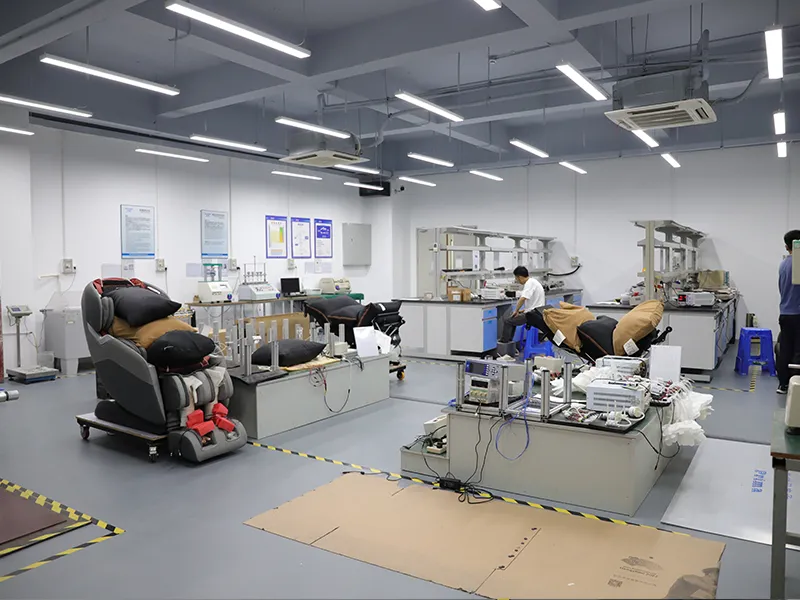
9. Air Pump, Valve, Tube, and Airbag Routing
| Field | Inspection requirement |
|---|---|
| Inspection method | Inspect pump mounting, valve connections, tube color/port match, clamps, bends, rubbing points, kink risk, moving-part clearance, and airbag orientation before covers close. Cycle every air zone after assembly. |
| Pass standard | Correct port and zone connection, secure tubing without kink or abrasion, pump and valves mounted correctly, and each ordered airbag inflates and releases in the intended sequence. |
| Recommended coverage | 100% in-process routing and connection check plus 100% functional zone cycle; final inspector verifies sampled units with covers and movements complete. |
| Common defects | Crossed tubes, loose tube, kink, tube trapped by frame, wrong air zone, weak pump mounting, valve not switching, bag folded or reversed. |
| Inspection record | Chair lot/serial, air-system revision, zone checklist, routing photo where required, failed port/zone, repair and retest. |
10. Airbag Pressure and Leakage
| Field | Inspection requirement |
|---|---|
| Inspection method | Run all zones and intensity levels. Measure pressure or inflation time at specified points and perform the approved dwell/pressure-decay or leak-detection method on defined samples. Observe symmetry and unintended deflation. |
| Pass standard | Pressure, inflation/deflation time, zone response, and decay remain within the model specification; no audible or detected leak, unintended pressure loss, overpressure, or asymmetric operation. |
| Recommended coverage | 100% functional inflation screen; measured pressure/leak sampling by model and lot, tightened after tube, valve, pump, or airbag changes. |
| Common defects | Slow inflation, leak at joint, punctured bag, unequal left/right pressure, valve bleed, pump cycling continuously, zone not releasing. |
| Inspection record | Serial/sample ID, zone, intensity, gauge/equipment ID, initial and final pressure or time, leak location, repair and recheck. |
11. Heating Function and Temperature Protection
| Field | Inspection requirement |
|---|---|
| Inspection method | Activate every ordered heating zone from a stabilized starting condition. Measure temperatures at defined locations and times with calibrated equipment; verify control response, uniformity, timer behavior, and applicable protective cut-off. |
| Pass standard | Heat rises and stabilizes within the approved time and temperature limits, remains reasonably uniform for the design, shuts down as specified, and shows no hotspot, odor, discoloration, control fault, or damage. |
| Recommended coverage | 100% heat activation screen; measured multi-point temperature test on first-off and lot samples, plus requalification after heater, sensor, foam, cover, or software changes. |
| Common defects | No heat, slow heat, hot spot, excessive temperature, one side colder, sensor mislocation, timer failure, odor, discolored upholstery. |
| Inspection record | Serial/sample, ambient/start condition, measurement points and times, instrument ID, temperature curve, protective response and result. |
12. Noise, Vibration, and Abnormal Sound
| Field | Inspection requirement |
|---|---|
| Inspection method | Operate the mechanism, recline, footrest, pump, valves, fans, and rollers separately and together in defined positions and loads. Compare with the approved sample and measure sound at the specified distance and background condition when a numeric limit exists. |
| Pass standard | No scrape, knock, click, rattle, gear slip, resonance, or vibration outside the approved reference; measured sound meets the model test limit under the stated condition. |
| Recommended coverage | 100% operator abnormal-sound screen; measured noise on first-off, final samples, complaint-related lots, and after motor, gear, pump, frame, or cover changes. |
| Common defects | Track knock, gear whine, pump resonance, loose-panel rattle, cable contact, bearing noise, sound only under recline or user load. |
| Inspection record | Serial/sample, operating mode, position/load, background and measured level if applicable, sound description/video, source and corrective action. |
Stage 5: Electrical Safety, Controller, and Program Testing
Wiring, protective functions, controls, and software logic must match the ordered voltage, plug, model revision, and target-market file. Routine factory checks do not replace product certification or type testing.
13. Wiring Harness, Connector, Fuse, and Strain Relief
| Field | Inspection requirement |
|---|---|
| Inspection method | Inspect wire gauge/color, routing, connector lock, terminal insertion, polarity, fuse, protective sleeve, bend radius, strain relief, earth conductor, clearance from heat and moving parts, and fastening against the wiring diagram. |
| Pass standard | Correct wire and protection components are used; connectors are fully locked; no exposed conductor, pin back-out, reversed polarity, trapped cable, sharp-edge contact, excessive tension, or movement interference. |
| Recommended coverage | 100% in-process visual and connector check at defined stations; final sample review and additional checks after harness, board, plug, frame, or routing changes. |
| Common defects | Loose terminal, wrong fuse, pin not seated, missing sleeve, crushed wire, inadequate strain relief, cable near heater, missing earth connection. |
| Inspection record | Serial/lot, harness and drawing revision, station checklist, connector/route photos where required, defect location, repair and verification. |
14. Routine Electrical Safety Tests
| Field | Inspection requirement |
|---|---|
| Inspection method | Use calibrated safety-test equipment to perform the production routine tests required by the approved model control plan, such as protective-earth continuity for Class I construction, insulation/dielectric checks, and leakage-current checks where applicable. |
| Pass standard | All measured values meet the applicable approved limits with no breakdown, flashover, protective-device operation, exposed live part, or unsafe construction. Limits come from the compliance file, not from this public checklist. |
| Recommended coverage | 100% production routine testing where required by the applicable control plan; final inspector witnesses tests and reviews traceable records on selected units. |
| Common defects | High earth resistance, insulation breakdown, excessive leakage, wrong equipment setting, missing earth path, damaged cord, failed protective component. |
| Inspection record | Serial number, voltage/class, tester and calibration ID, program/limit setting, measured result, operator, timestamp, failure and retest authorization. |
15. Remote, Touchscreen, Shortcut Keys, and Display
| Field | Inspection requirement |
|---|---|
| Inspection method | Check power, start/pause/stop, navigation, every physical key, touchscreen zones, icons, language, brightness, display segments, cable or wireless connection, holder, and response while the chair is moving. |
| Pass standard | Every ordered control responds once and correctly, labels and language match the approved artwork, displayed status matches actual chair operation, and no dead zone, ghost touch, freeze, reset, or loose control occurs. |
| Recommended coverage | 100% control response screen; full key/menu matrix on first-off and final samples, tightened after controller, display, firmware, language, or artwork changes. |
| Common defects | Dead key, ghost touch, wrong icon, untranslated menu, frozen screen, delayed stop, incorrect status, loose holder, intermittent cable or pairing. |
| Inspection record | Serial/sample, controller/firmware/language version, key and menu matrix, defect screenshot/video, software correction and final verification. |
16. Automatic Programs, Manual Functions, Sensors, and Connectivity
| Field | Inspection requirement |
|---|---|
| Inspection method | Run each auto program or an approved accelerated program matrix and verify included manual controls, body/shoulder detection, timers, memory, voice, Bluetooth, speakers, app, or other functions in the ordered configuration. |
| Pass standard | Program sequence, duration, mechanism path, airbags, heating, positions, intensity controls, sensors, and connectivity match the approved function specification without lockup, skipped step, unintended function, or data mismatch. |
| Recommended coverage | 100% core-function and abbreviated program screen; complete program/configuration matrix on first-off, final samples, and every firmware or feature revision. |
| Common defects | Wrong program time, skipped air zone, sensor mis-detection, heat active in wrong mode, memory not retained, Bluetooth dropout, incorrect voice/language. |
| Inspection record | Serial/sample, model option and firmware, program matrix, actual vs expected sequence, connectivity device/version, defect log and retest. |
17. Stop Functions, Interlocks, Sensors, and Protective Response
| Field | Inspection requirement |
|---|---|
| Inspection method | Trigger the stop or pause control and each applicable interlock, obstruction sensor, overload/overcurrent response, thermal protection, limit input, child-lock, or recovery condition defined for the model. Confirm the approved safe response. |
| Pass standard | The chair stops, inhibits, alarms, resets, or recovers exactly as specified without unexpected restart or loss of essential protective function. No bypassed sensor or disabled protection is accepted. |
| Recommended coverage | 100% check of user stop and critical production-testable protections; complete safety-function matrix on qualification and final samples according to the control plan. |
| Common defects | Stop delay, unintended restart, bypassed limit, sensor not detected, fault not displayed, thermal cut-off failure, overload without protection. |
| Inspection record | Serial/sample, protection triggered, test condition, expected and actual response, fault code/time, equipment, result and corrective action. |
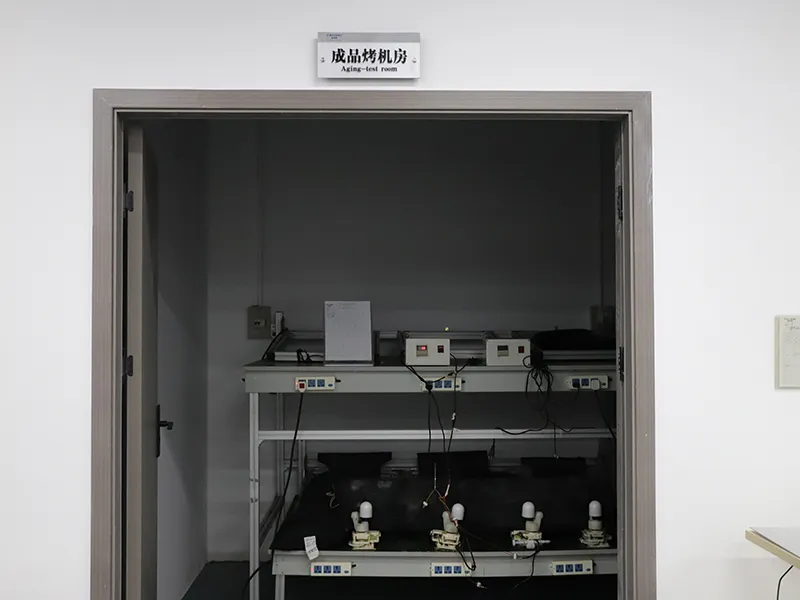
Stage 6: Stability, Pinch-Risk, and Aging Tests
Safety and reliability checks must cover the chair in motion and after repeated operation. Test conditions, loads, cycles, duration, and limits belong in the approved model control plan rather than being improvised during final inspection.
18. Stability and Tip Risk in All Positions
| Field | Inspection requirement |
|---|---|
| Inspection method | Place the chair on the specified test surface and evaluate stability in upright, reclined, zero-gravity, raised, and footrest-extended positions under the loads and forces defined by the approved safety or design test plan. |
| Pass standard | No tip, uncontrolled shift, structural collapse, foot lift beyond the approved criterion, or unstable transition. Feet, base, wheels, and anti-slip elements remain correctly installed and effective. |
| Recommended coverage | Design/qualification test for every relevant model or structural revision; lot verification sample and recheck after frame, base, actuator, center-of-gravity, or footrest changes. |
| Common defects | Rear tip tendency, side instability, base movement, lifted foot, cracked support, actuator drift, unstable transition, wrong caster/foot. |
| Inspection record | Model/revision, sample serial, surface, load/force and position, setup photos/video, measured result, approval and change-control reference. |
19. Pinch, Crush, Entrapment, and Sharp-Edge Risk
| Field | Inspection requirement |
|---|---|
| Inspection method | Inspect and operate all moving gaps around recline linkages, footrest, scissors, track, airbags, covers, hinges, and accessible mechanisms. Apply the probes, forces, guards, labels, sensors, and risk-control checks required by the approved safety plan. |
| Pass standard | No accessible hazardous sharp edge, point, exposed moving mechanism, unacceptable pinch/crush gap, loose guard, or missing warning; protective sensors and stops function as designed. |
| Recommended coverage | 100% final visual screen of guards/covers/labels; qualification and lot-sample functional risk checks, repeated after any structure, cover, sensor, or motion change. |
| Common defects | Exposed scissor point, sharp trim, open gap, loose guard, hand-accessible linkage, missing warning, sensor not stopping motion. |
| Inspection record | Serial/sample, hazard location, position, probe or test method, photo/video, risk classification, corrective action and approval. |
20. Aging and Repeated-Cycle Operation
| Field | Inspection requirement |
|---|---|
| Inspection method | Run the model through the approved continuous or repeated program, recline, footrest, mechanism, air pump, heating, and control cycles for the defined duration or count. Monitor faults, current, temperature, noise, and interruptions. |
| Pass standard | The sample completes the specified duration/cycles without unsafe temperature, fault, stall, abnormal noise, leakage, control reset, excessive wear, or function loss; post-aging checks still meet specification. |
| Recommended coverage | Defined reliability sample rather than an AQL percentage; longer qualification testing for new designs/major changes and lot aging according to model risk and history. |
| Common defects | Early motor failure, intermittent board reset, pump overheating, tube leak, gear wear, noise growth, loose fastener, heater drift, sensor fault. |
| Inspection record | Sample serial, model/revision, program, cycles/hours, load, ambient condition, monitored values, interruptions, failure time and analysis. |
21. Post-Aging Full-Function Reinspection
| Field | Inspection requirement |
|---|---|
| Inspection method | After aging, repeat the defined function, noise, air pressure, heating, electrical safety, fastener, visual, and control checks. Compare measurements and sound with the pre-aging baseline. |
| Pass standard | All safety and functional checks remain within approved limits, with no material degradation, looseness, new noise, drift, odor, overheating, data loss, or damage caused by repeated operation. |
| Recommended coverage | 100% of aging-test samples; failed samples trigger containment, root-cause analysis, corrective action, and an expanded or repeated test as defined by the quality plan. |
| Common defects | New rattle, loose connector, pressure decay, temperature drift, worn gear, cracked tube, shifted upholstery, program error, electrical test failure. |
| Inspection record | Before/after readings, serial, inspection matrix, photos/video, failure analysis, affected lot containment, corrective action and approval to release. |
Stage 7: Appearance, Packaging, and Shipment Release
The last gate confirms that the product the buyer approved is the product being packed and loaded. Appearance, identity, accessories, protection, carton marks, quantity, and loading evidence all belong in the release record.
22. Appearance, Upholstery, Stitching, Panels, and Cleanliness
| Field | Inspection requirement |
|---|---|
| Inspection method | Inspect the complete chair under agreed lighting from normal viewing distance and close range. Compare color, grain, stitching, leather tension, seams, panels, gaps, gloss, logo, trims, cushions, odor, stains, scratches, dents, and cleanliness with the approved sample. |
| Pass standard | Correct color and material; even stitching and tension; consistent gaps; secure panels and trims; no tear, stain, scratch, dent, glue mark, loose thread, contamination, unacceptable odor, or visible repair outside the defect standard. |
| Recommended coverage | 100% factory final appearance screen plus random final inspection to the agreed AQL/defect classification, with tightened sampling for new colors or workmanship issues. |
| Common defects | Color mismatch, wrinkle, loose thread, skipped stitch, panel gap, scratch, dent, dirty surface, glue, oil, odor, crooked logo, poor fit. |
| Inspection record | Serial/sample, color/material, defect type/severity/location, photos with scale, quantity found, repair result and final disposition. |
23. Accessories, Manual, Labels, Serial Number, and Barcode
| Field | Inspection requirement |
|---|---|
| Inspection method | Compare each packed unit and carton with the approved packing list and artwork. Check controller, cable, spare parts, hardware, manual, warranty card, rating label, warnings, certification marks, serial number, barcode, model, voltage, plug, language, and carton marks. |
| Pass standard | All required items are present and match the ordered market/configuration; labels are legible, correctly positioned, traceable, and scannable; serial numbers are unique and linked to the production record. |
| Recommended coverage | 100% pack-line checklist or scan for critical identity/items where available, plus final random carton audit and barcode scan across models, colors, and carton positions. |
| Common defects | Missing remote, wrong plug, wrong-language manual, duplicate serial, unscannable barcode, incorrect voltage label, missing warning, mixed model carton. |
| Inspection record | Serial/carton number, accessory checklist, label/artwork revision, barcode scan result, photos, missing/wrong item, correction and packer/inspector. |
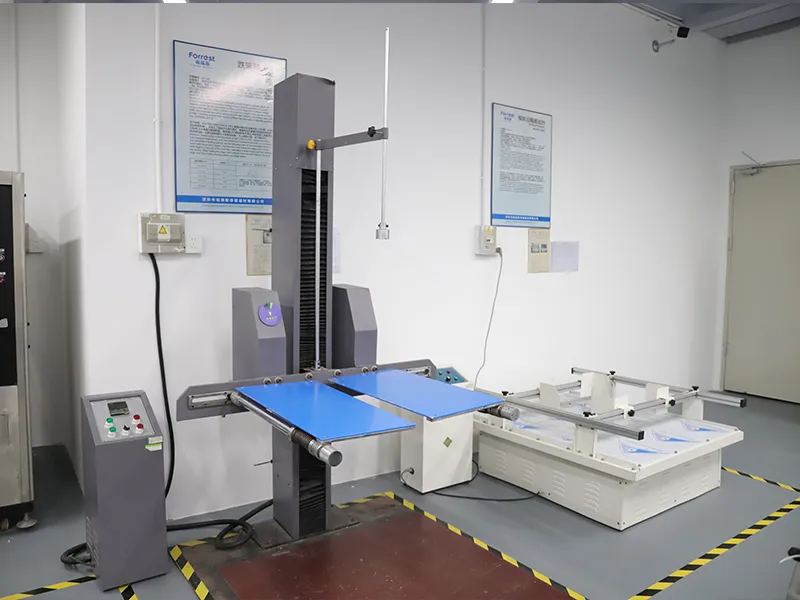
24. Internal Protection, Carton, Closure, and Package Performance
| Field | Inspection requirement |
|---|---|
| Inspection method | Open sampled cartons and verify approved foam, bags, corner protection, restraints, moisture protection, accessory placement, surface protection, carton grade, dimensions, gross weight, closure, straps, handling marks, and orientation. Run route-appropriate package qualification tests when specified. |
| Pass standard | Packaging matches the approved pack drawing and bill, restrains the chair without damaging pressure points, protects surfaces and controls, closes securely, meets carton/weight tolerances, and passes the agreed transport test without unacceptable product or package damage. |
| Recommended coverage | First packed unit for every model/carton revision; random carton audit in final inspection; package performance qualification by agreed ASTM/ISTA/buyer plan, not an arbitrary test on every shipment. |
| Common defects | Missing foam, loose chair, control touching frame, weak carton, crushed corner, wrong orientation, excessive gross weight, loose strap, moisture exposure, failed drop/vibration test. |
| Inspection record | Carton/pack revision, unit serial, dimensions/weight, material checklist, test sequence/standard and report, damage photos, corrective action and approval. |
25. Final Random Inspection and Container-Loading Release
| Field | Inspection requirement |
|---|---|
| Inspection method | Confirm production and packed quantity, randomly select units across the lot, models, colors, dates, and carton locations, and complete the agreed checklist. Before loading, inspect container condition, count cartons, follow orientation/stacking plan, and record seal number and loading photos. |
| Pass standard | No critical defect; major/minor results remain within the agreed acceptance plan; all required tests and corrective actions are closed; quantity, model mix, cartons, marks, container condition, loading pattern, and seal match the release file. |
| Recommended coverage | Final sample size from the agreed ISO 2859-1 inspection level/AQL plan; 100% carton count during loading and one loading record for every container. |
| Common defects | Biased sample, hidden uninspected cartons, unresolved major defect, short/mixed quantity, wet or damaged container, incorrect stacking, crushed cartons, wrong seal. |
| Inspection record | Lot and packed quantity, sample code/size, defect counts and classification, release/hold decision, corrective actions, container number, seal, tally and loading photos. |
Electrical and Packaging Standards: What PSI Can and Cannot Prove
Massage chairs are electrical appliances with motors, mechanisms, heating, wiring, controls, and accessible moving parts. IEC 60335-2-32:2024 specifically covers electric massage appliances, including massage chairs, and is used with the applicable general requirements and national deviations.
A factory routine electrical test or an inspector’s witness test is not a substitute for type testing, certification, a valid test report, or market-specific compliance. The production test must use the limits and equipment settings approved for the ordered model and construction. Buyers should review available documents on our Certifications page and confirm the applicable scope before ordering.
Packaging must also match the route. ASTM D4169 provides a laboratory framework for evaluating shipping units against distribution hazards, while other routes may use an applicable ISTA or buyer-specific method. The correct sequence, assurance level, sample, and acceptance criteria should be agreed for the actual carton and distribution channel.
Pass, Hold, Rework, or Reinspect
| Decision | When to use it | Required next action |
|---|---|---|
| Pass / release | No critical defect; all required safety and qualification records conform; major/minor counts are within the agreed plan; quantities and packing are correct | Approve shipment and retain the signed report, photos, data, loading tally, and seal record |
| Conditional release | Only when the buyer has formally accepted a documented deviation that does not create safety, compliance, identity, or functional risk | Record the deviation, affected quantity, concession authority, and any commercial action before loading |
| Hold | Any critical defect, wrong voltage/identity, missing mandatory record, systemic major defect, package failure, or unresolved quantity discrepancy | Stop release, contain the affected lot, identify root cause, and agree corrective action |
| Rework and reinspection | Defects can be corrected without compromising the approved product | Rework the defined population, verify 100% of reworked units where appropriate, then repeat the agreed inspection with traceable results |
What a Useful QC Report Should Record
- Order, model, configuration, voltage, plug, color, lot size, packed quantity, and inspected quantity
- Sampling standard, inspection level, AQL values, sample code/size, and acceptance/rejection numbers
- Random sample selection across production dates, carton positions, models, and colors
- Serial numbers or traceability codes of measured or function-tested units
- Approved document revisions and golden-sample reference
- Test equipment ID, calibration status, settings, loads, ambient conditions, and measured values
- Critical, major, and minor defects with quantity, location, clear photos/video, and affected population
- Immediate containment, rework quantity, root cause, corrective action, and reinspection result
- Final release authority, inspector and factory signatures, date, container number, seal, count, and loading photos
How Forrest Supports a Buyer-Defined QC Plan
Our Quality Control process covers incoming checks, component verification, assembly control, function testing, aging, final inspection, packaging, and shipment readiness. The related massage chair manufacturing guide shows where those gates fit into production, and our factory page introduces the facilities behind product verification.
For a new model, OEM/ODM configuration, new market, first order, or previous defect history, send us the inspection brief before production. We can align the order specification, available test records, production checks, packaging file, buyer-appointed inspector, and shipment schedule. Buyers may also arrange an independent third-party inspection or container-loading supervision.
For the wider sourcing sequence, use our guide to importing massage chairs from China and Shipping & Delivery page. Inspection should be booked early enough to allow corrective action and reinspection before the planned vessel or delivery deadline.
Frequently Asked Questions
Should every massage chair be inspected before shipment?
Every unit should pass the production screens defined in the control plan, but the final independent inspection is normally a random lot sample. Safety-critical routine tests, core function checks, pack-line identity, and final AQL sampling serve different purposes and should not be confused.
What AQL should a buyer use for massage chairs?
There is no universal value. Lot size, product risk, supplier history, target channel, model maturity, and defect cost affect the plan. Define critical, major, and minor classes and the selected inspection level/AQL before production. Critical safety defects are normally not accepted.
Does a pre-shipment inspection replace CE, CB, ETL, or other certification?
No. PSI checks the produced lot against the approved order and test plan. Certification and laboratory/type testing address model construction and applicable market requirements. Both may be needed.
How long should a massage chair aging test run?
The duration and cycle count must come from the approved model reliability plan. New designs and major changes generally need deeper qualification than stable repeat orders. The public checklist does not invent one universal number.
When should the final inspection be booked?
Book it before the shipping cut-off, after production is complete and enough units are packed for representative carton selection. Leave time to contain, rework, and reinspect if the lot does not pass.
Can Forrest work with a buyer-appointed inspection company?
Yes. Share the inspection scope, sampling plan, approved specifications, test limits, reporting format, and booking date early. The final arrangement depends on the order, model, factory schedule, and agreed commercial terms.
Make Quality Measurable Before Production Starts
The best pre-shipment inspection is designed before the first production unit is assembled. When the order file defines the product, test method, pass limit, coverage, defect class, and record requirement, the factory and buyer can make a release decision from evidence instead of opinion.
Use the 25 checks to prepare your own inspection brief, then adjust the numeric limits and coverage to the selected model, target market, supplier history, and shipping route. Explore our massage chair range, or contact the Forrest team with the model, quantity, market, voltage, packaging, certification, and QC requirements for your project.