
How to Import Massage Chairs from China
China is one of the world’s leading manufacturing hubs for massage chairs, offering a wide range of products, customization options, and competitive pricing. Buyers can find compact massage chairs, full-body massage chairs, zero gravity massage chairs, 3D massage chairs, and higher-end models with airbags, heating, touchscreen control, Bluetooth music, and OEM/ODM options.
However, importing massage chairs involves more than simply placing an order. Buyers must evaluate suppliers, understand certification requirements, calculate shipping costs, confirm product specifications, prepare customs documents, and manage quality control before shipment.
This guide walks distributors and importers through the key steps of importing massage chairs from China successfully, from early product planning to supplier selection, compliance review, shipping, customs preparation, and long-term cooperation.
Why Source Massage Chairs from China?
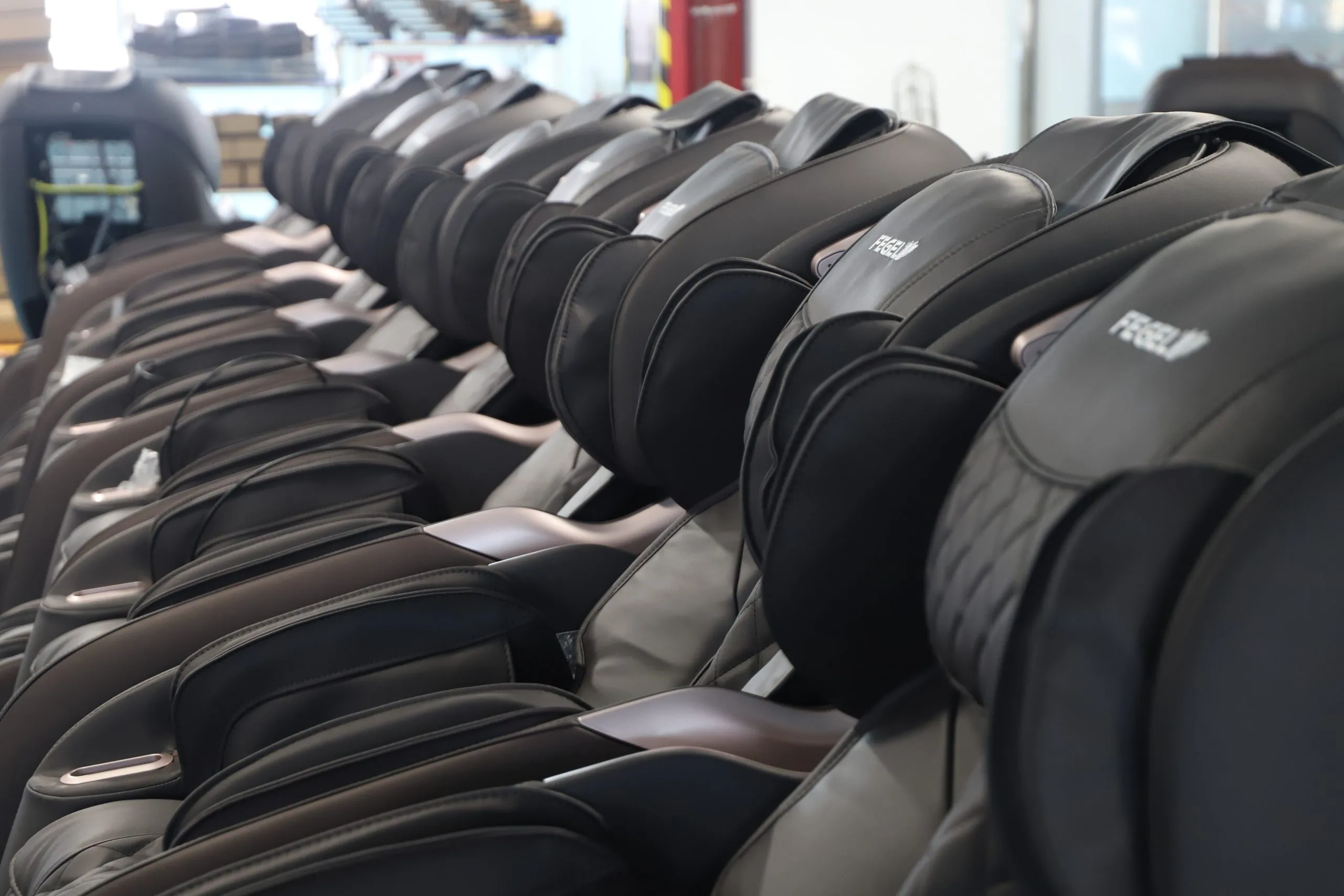
Many global massage chair brands, distributors, and private label sellers source products from Chinese manufacturers because China has strong production capacity, broad supplier networks, mature component sourcing, and extensive export experience in wellness equipment.
For importers, the main advantages include:
- Competitive manufacturing costs: Buyers can often compare different product levels, function sets, and price ranges across multiple factories.
- Extensive product selection: China offers full-body massage chairs, zero gravity models, 2D and 3D mechanism chairs, compact chairs, and multifunction wellness products.
- OEM and ODM capabilities: Buyers can choose existing factory models or discuss private label, packaging, appearance, and selected function customization.
- Mature export experience: Experienced factories can support export packaging, documentation, forwarder coordination, and international buyer communication.
The key is not simply finding the lowest price. The best result comes from matching product requirements, compliance needs, supplier capability, quality control, shipping method, and after-sales planning.
Step 1: Define Your Product Requirements
Before contacting suppliers, define what you need. Clear requirements help factories recommend suitable models and prepare accurate quotations.
Start with product category:
- Full body massage chair
- Zero gravity massage chair
- 3D massage chair
- 4D massage chair
- Compact massage chair for smaller spaces
- Premium showroom model or entry-level retail model
Then define your target market and sales channel. A product for the United States may require different certifications, voltage, packaging, manual language, and retailer documents than a product for Europe, Japan, the Middle East, or an ecommerce marketplace.
Important buyer inputs include:
- Target market: United States, Europe, Japan, Middle East, or other region
- Budget range and target retail price
- Expected order quantity
- Preferred functions and product tier
- Customization needs such as logo, color, packaging, manual, or function options
- Required certificates, voltage, plug type, and documentation
Step 2: Find a Reliable Massage Chair Manufacturer
Supplier selection is one of the most important steps in importing massage chairs from China. A massage chair is large, technical, and relatively expensive to repair or replace, so the manufacturer should be evaluated as a long-term production partner, not just a quotation source.
When screening suppliers, review:
- Factory experience in massage chairs and wellness products
- Production capacity and workshop organization
- OEM / ODM services and realistic customization options
- Quality control process from materials to final inspection
- Export experience with your target market
- Available certifications and document support
- Communication quality, response speed, and quotation clarity
For a deeper supplier evaluation process, read How to Choose a Massage Chair Manufacturer.

Step 3: Verify Certifications and Compliance Requirements
Certification is one of the issues buyers most often underestimate. Different markets and sales channels may require different documents, and the certificate should match the exact product model, electrical configuration, voltage, wireless functions, and target market.
Common requirements to review include:
| Market | Common Requirements to Review | Buyer Notes |
|---|---|---|
| Europe | CE, RoHS | Also review EMC, documentation, labeling, and wireless requirements if applicable. |
| United States | FCC, ETL or UL depending on channel | Retailers and marketplaces may request documents beyond basic import needs. |
| Canada | cETL, CSA, IC/ISED where applicable | Confirm electrical safety and wireless requirements by model and channel. |
| Japan | PSE | Review product, adapter, voltage, and electrical appliance scope before import. |
| Middle East | SASO, SABER, GCC / G-Mark depending on country | Confirm national requirements and product category requirements with your importer or broker. |
For a detailed overview, see What Certifications Are Required for Massage Chairs? after that guide is published.
Step 4: Request Product Specifications and Samples
Samples help buyers evaluate product fit before committing to a bulk order. For massage chairs, sample review is especially valuable because photos and specification sheets cannot fully show massage feel, noise, control logic, material quality, packaging protection, or user experience.
Before approving a sample, confirm:
- Product dimensions
- Package dimensions
- Net weight and gross weight
- Main functions and massage areas
- User experience, control interface, and massage programs
- Upholstery, color, stitching, and exterior appearance
- Packaging quality, carton structure, labels, and manuals
Sample evaluation reduces bulk-order risk. If you need logo, packaging, color, voltage, manual, or carton mark changes, discuss whether the sample can reflect those details or whether they will be confirmed separately before mass production.
Step 5: Understand Pricing and Total Import Costs
The unit price is only one part of the import cost. Massage chairs are large products, so shipping costs, carton size, container loading quantity, duties, taxes, and local delivery can significantly affect total landed cost.
Buyers should calculate:
- Product cost
- Sample cost
- Packaging cost
- Customization cost
- Freight cost
- Import duties
- Local taxes
- Customs broker or documentation fees
- Warehouse, local delivery, and after-sales cost
For bulk orders, ask the factory for carton size, product size, net weight, gross weight, and loading quantity. These details help your forwarder estimate freight cost more accurately and help you compare models based on total landed cost, not only factory price.
Step 6: Confirm OEM or ODM Requirements
Before mass production, confirm whether the project is OEM, ODM, private label, or a hybrid approach.
OEM may involve:
- Custom features
- Custom design or appearance discussion
- Private label product direction
- Packaging development
- Selected component or configuration changes
ODM may involve:
- Existing factory models
- Logo customization
- Packaging customization
- Manual, carton mark, and documentation changes
- Faster production planning based on mature models
To compare the two models, read OEM vs ODM Massage Chairs: What’s the Difference? after that guide is published.
Step 7: Conduct Quality Control Before Shipment
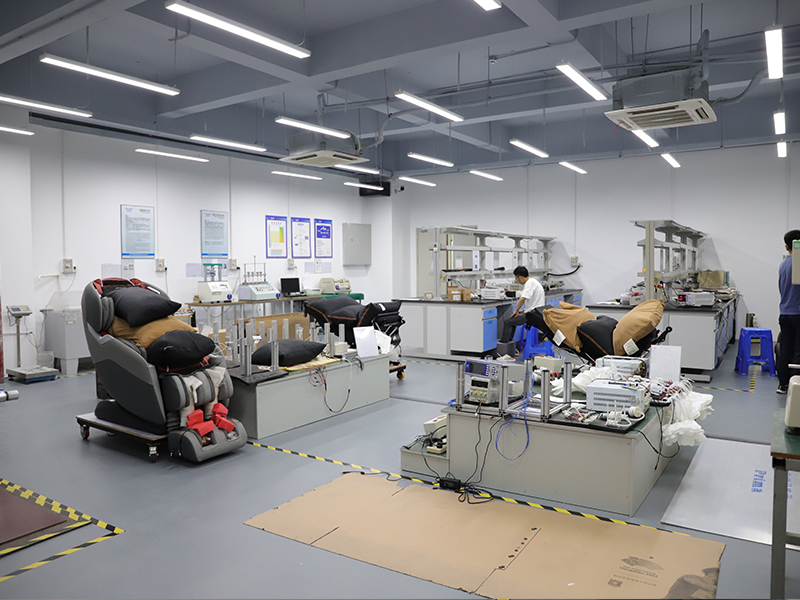
Pre-shipment quality control helps reduce purchasing risk before products leave the factory. Massage chairs should be inspected for both appearance and function because defects can be expensive to repair after import.
Inspection items may include:
- Appearance, upholstery, color consistency, and surface condition
- Massage functions and auto programs
- Airbag system and air pressure performance
- Heating system
- Reclining and footrest operation
- Remote control, touchscreen, or shortcut key operation
- Accessories, manuals, labels, and packaging
A third-party inspection can help reduce purchasing risk, especially for first-time orders, new suppliers, new configurations, or products going into strict retail channels. For a broader manufacturing process view, see How Massage Chairs Are Manufactured after that guide is published, or review Forrest’s Quality Control page.
Step 8: Choose the Right Shipping Method
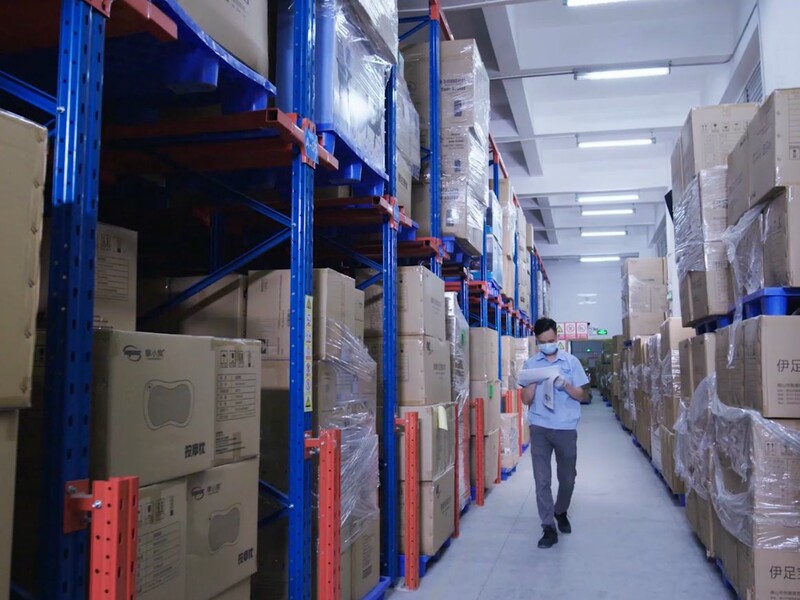
Shipping method depends on product size, order quantity, destination, delivery deadline, and cost tolerance. Because massage chairs are large, sea freight is usually the most practical choice for bulk orders.
| Shipping Method | Cost | Speed | Suitable For |
|---|---|---|---|
| Sea Freight | Low | Slow | Bulk orders and container shipments |
| Air Freight | High | Fast | Samples or urgent selected batches |
| Express | Highest | Fastest | Small shipments, documents, or spare parts |
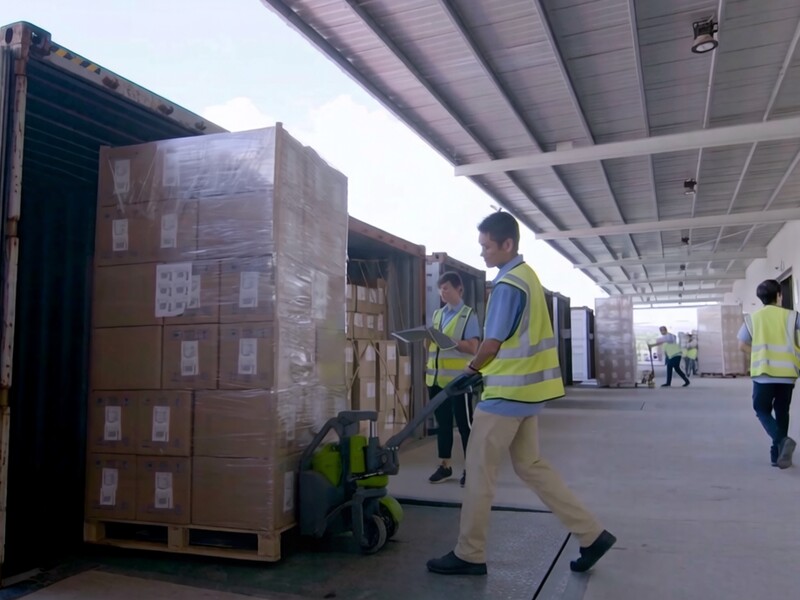
Forrest’s Shipping & Delivery page explains that shipping planning may include order confirmation, production and inspection, packing and carton marking, shipping arrangement, loading and documentation, and shipment follow-up.
Step 9: Prepare Customs and Import Documents
Customs documentation should be prepared before shipment. Exact document requirements vary by destination country, product category, shipping method, and importer responsibility, so buyers should coordinate with their freight forwarder or customs broker early.
Common documents may include:
- Commercial invoice
- Packing list
- Bill of lading or air waybill
- Certificates when available and applicable
- Product manuals
- Test reports or compliance documents
- Product packing information
- Other documents requested by the buyer’s forwarder or destination customs broker
Buyers are usually responsible for destination customs clearance, import duties, local taxes, and local delivery unless otherwise agreed in the order terms. Confirm responsibilities before shipment to avoid delays and unexpected costs.
Common Mistakes When Importing Massage Chairs
Mistake 1: Choosing suppliers based only on price.
The lowest unit price may lead to higher total cost if the product has quality issues, weak packaging, missing documents, poor communication, or limited after-sales support.
Mistake 2: Skipping sample evaluation.
Samples help buyers confirm massage feel, appearance, control logic, noise, packaging, and user experience before a bulk order.
Mistake 3: Ignoring certification requirements.
Certification requirements vary by market and sales channel. Missing documents can cause listing delays, customs issues, or retailer rejection.
Mistake 4: Not calculating total landed cost.
Massage chairs are large products. Freight, duties, taxes, warehouse fees, and after-sales cost can change the real profitability of a model.
Mistake 5: Skipping pre-shipment inspection.
Once goods are shipped internationally, correcting quality problems becomes slower and more expensive. Inspection before shipment is a practical risk-control step.
Import Checklist for First-Time Buyers
Use this checklist to organize your first massage chair import project.
| Task | Status |
|---|---|
| Define product requirements | □ |
| Verify supplier capability | □ |
| Confirm certifications | □ |
| Request samples | □ |
| Approve quotation | □ |
| Arrange inspection | □ |
| Confirm shipping method | □ |
| Prepare import documents | □ |
Why Work with an Experienced Massage Chair Manufacturer?
Experienced manufacturers can help importers move more smoothly from product selection to shipment. This is especially important for buyers who need private label support, market-specific documentation, or repeat orders.
An experienced manufacturer can support buyers with:
- Product selection based on target market and sales channel
- OEM/ODM projects and private label discussion
- Certification guidance and document review
- Quality control and pre-shipment inspection coordination
- Export packaging and carton mark discussion
- Shipping coordination with buyer-appointed forwarders or logistics partners
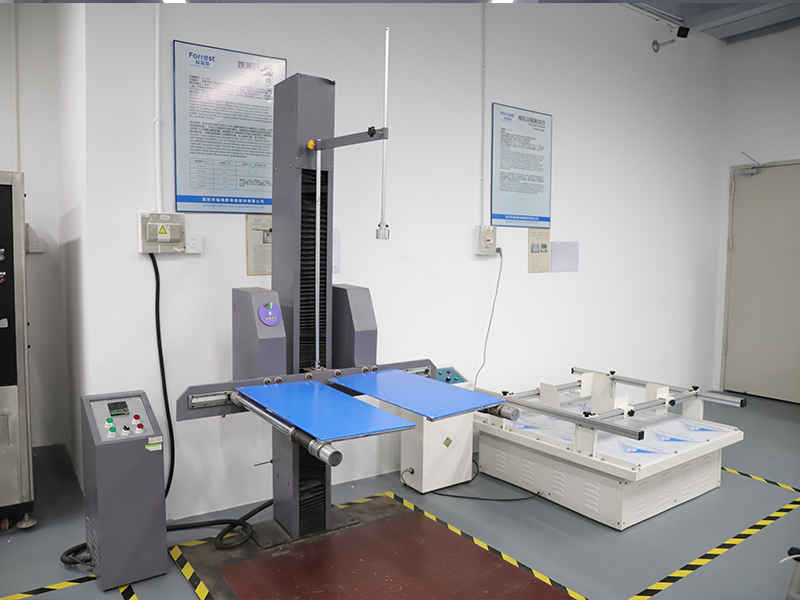
How Forrest Supports Global Importers
Forrest works with distributors, retailers, importers, and private label partners worldwide by providing massage chair manufacturing, OEM/ODM support, quality control coordination, and export assistance.
For global importers, Forrest can help with model recommendations, product specifications, MOQ discussion, quotation support, customization review, certification document discussion, sample planning, packaging requirements, and export coordination.
Buyers can share their target market, product category or model, estimated quantity, customization needs, required certificates, packaging requirements, and expected timeline through Contact Forrest.
Related Resources
- Massage Chairs
- OEM & ODM Services
- Quality Control
- Certifications
- Factory Tour
- Shipping & Delivery
- Payment Terms
FAQ
How much does it cost to import a massage chair from China?
The total cost depends on the model, quantity, customization, packaging, freight, import duties, local taxes, customs broker fees, warehouse costs, and after-sales planning. Buyers should calculate total landed cost, not only the factory unit price.
What certifications are required?
Certification requirements depend on the target market, product model, voltage, wireless functions, and sales channel. Europe may require CE and RoHS review, the United States may involve FCC and ETL or UL-type safety requirements, and other markets may require PSE, KC, SASO, GCC, or additional documents.
Should I choose OEM or ODM?
Choose ODM if you want to launch faster using an existing factory model with logo and packaging customization. Choose OEM if you need deeper customization, custom features, or stronger product differentiation. Many importers start with ODM and move into OEM after confirming market demand.
What is the typical MOQ?
MOQ depends on the model, customization level, packaging requirements, component availability, and production schedule. Existing ODM models usually have a lower MOQ than deeply customized OEM projects.
How long does shipping take?
Shipping time depends on the destination, shipping method, port schedule, customs clearance, and local delivery arrangement. Sea freight is usually slower but more suitable for bulk orders, while air freight or express shipment may be used for samples or smaller urgent shipments.
Conclusion
Importing massage chairs from China can be a highly effective way to expand a wellness product business, but success depends on choosing the right manufacturer, understanding compliance requirements, managing quality control, and planning logistics carefully.
By following a structured sourcing process, buyers can reduce risk and build a reliable massage chair product line for their market. Define your product requirements, verify supplier capability, confirm certifications, evaluate samples, calculate total landed cost, inspect before shipment, and prepare customs documents early.
If you are preparing to import massage chairs from China, Contact Forrest with your target market, preferred product type, estimated order quantity, certification requirements, and customization needs. Forrest can help recommend suitable models and support your sourcing project from product selection to export shipment planning.