
How Massage Chairs Are Manufactured: From Components to Final Assembly
Many buyers focus first on massage chair features and pricing. That is understandable: functions such as 2D or 3D massage, SL track coverage, zero gravity positioning, airbags, heating, and touchscreen control all affect product positioning and sales value.
But for distributors, importers, retailers, and private label brands, understanding how massage chairs are manufactured can provide deeper insight into product quality, reliability, and supplier capability. A massage chair is a complex product that combines metal structure, mechanical movement, electronics, upholstery, software control, packaging, and quality verification.
This article explains the typical massage chair manufacturing process, from component sourcing to final assembly and quality inspection. The exact process varies by model and factory, but the core stages are useful for buyers who want to evaluate suppliers more professionally.
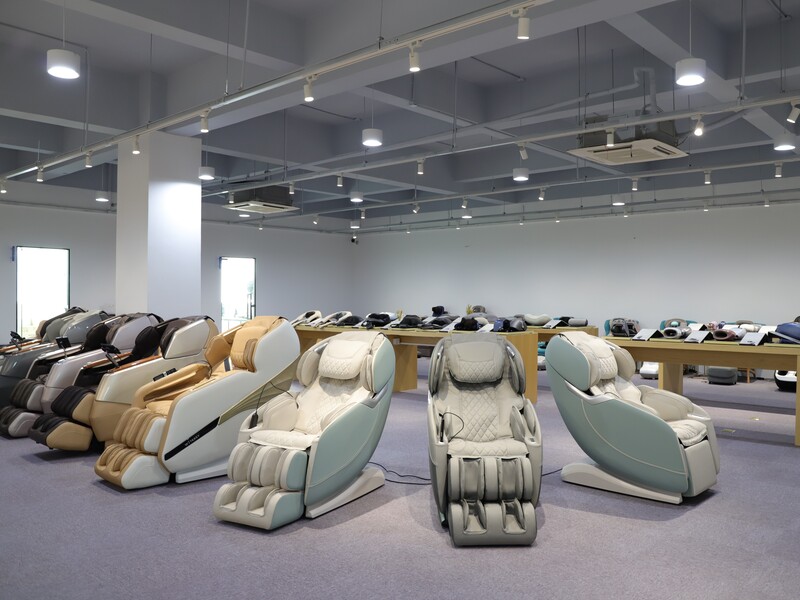
Main Components of a Massage Chair
Before reviewing the production process, buyers should understand the main components that make up a massage chair. These parts work together to create structure, movement, comfort, control, and user experience.
Metal Frame
The metal frame supports the overall chair structure. It affects stability, reclining movement, mechanism positioning, and long-term durability. A well-built frame helps the product maintain alignment during repeated operation.
Massage Mechanism
The massage mechanism is the core system of the chair. Depending on the model, buyers may see 2D, 3D, or 4D mechanism descriptions. In general, these terms refer to different levels of roller movement, depth control, intensity control, and massage path performance.
For B2B buyers, the mechanism is one of the most important parts to compare because it strongly affects massage feel, cost, durability, and product positioning.
Airbag System
Airbag systems are used in areas such as shoulders, arms, waist, legs, calves, or feet depending on the model. Airbags require proper installation, air pump connection, tubing layout, and pressure testing to ensure stable performance.
Electronic Control System
The electronic control system includes control boards, wiring harnesses, sensors, remote controls, touchscreens, and program logic. It coordinates massage programs, reclining, airbags, heating, timers, and other functions.
Upholstery Materials
Massage chairs commonly use PU leather or synthetic leather for exterior covering. Upholstery quality affects appearance, comfort, cleaning, packaging protection, and long-term product perception in retail or showroom channels.
Step 1: Component Sourcing and Inspection
Massage chair quality starts before assembly. A factory must source and inspect key components before they enter production. For B2B orders, this stage helps reduce defects before they become larger problems in assembly or final testing.
Common sourced components include:
- Motors for mechanisms, reclining, and footrest movement
- Metal frames and structural parts
- Electronic control boards and wiring harnesses
- Fabric, PU leather, or synthetic leather materials
- Airbags, air pumps, tubing, and valves
- Power adapters, controllers, sensors, and accessories
Incoming quality checks may include appearance inspection, dimension checks, material confirmation, component matching, and electrical testing. For massage chairs, early component verification is important because the final product depends on multiple systems working together.
Step 2: Frame and Structural Assembly
The frame and structural assembly stage creates the foundation of the massage chair. Workers position the metal frame, install major support parts, and prepare the structure for mechanism, airbag, wiring, and exterior assembly.
Key work may include:
- Frame positioning
- Reclining structure preparation
- Mechanical bracket installation
- Footrest or leg section alignment
- Structural verification before moving to the next process
At this stage, assembly precision matters. If the frame is not aligned correctly, it may affect reclining performance, massage mechanism movement, outer panel fit, or long-term stability.
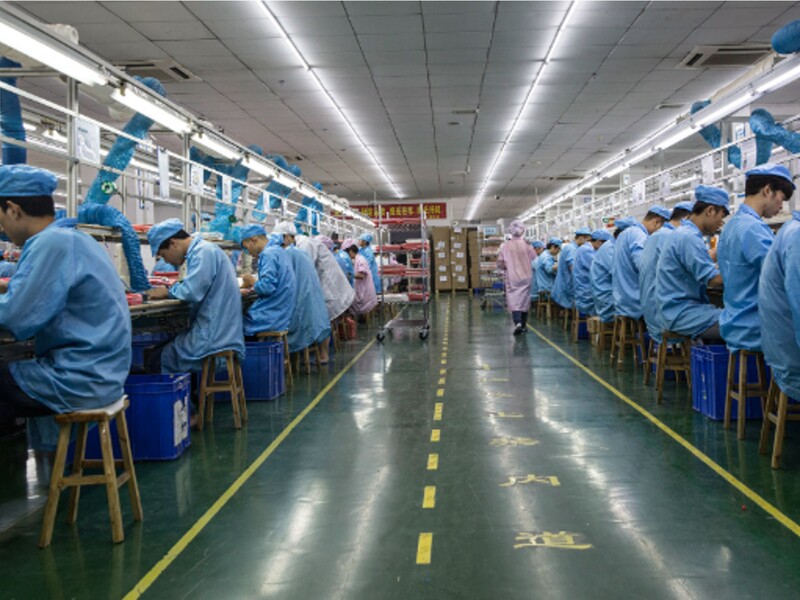
Step 3: Installation of Massage Mechanisms
The massage mechanism is installed after the main structure is ready. This stage connects the product’s massage performance with the chair’s internal track system and motorized movement.
Mechanism-related parts may include:
- Massage rollers
- Track systems
- Drive motors
- Transmission components
- Positioning parts and guides
Buyers may see different track descriptions in massage chair specifications. An S track follows the curve of the back. An SL track extends coverage from the back toward the seat area. Some higher-level models may use more flexible track systems or specialized structure to support broader massage coverage.
The installation should be checked carefully because the mechanism directly affects massage path, roller pressure, noise level, movement smoothness, and long-term reliability.
Step 4: Airbag and Electronic System Integration
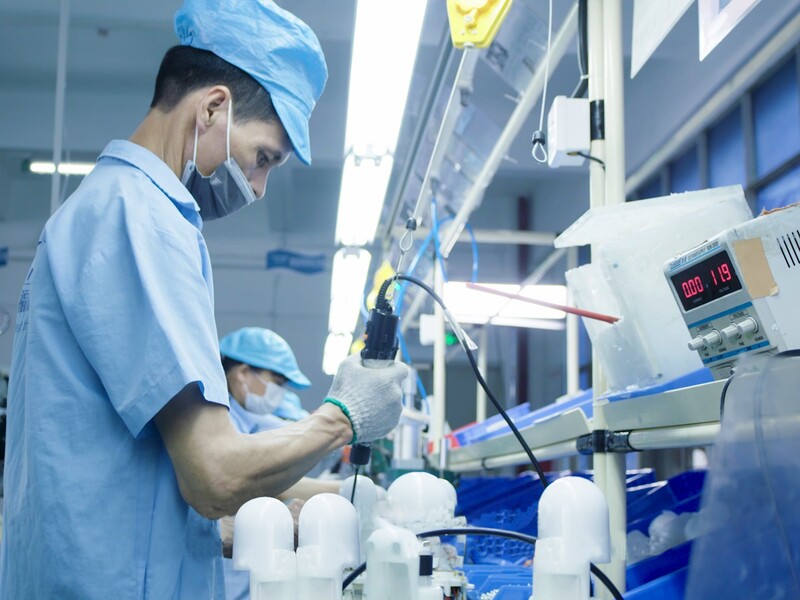
After the main mechanical structure is prepared, the factory integrates the airbag and electronic systems. This is one of the more complex stages because the chair must coordinate mechanical movement, air pressure, control logic, sensors, and user commands.
Installed parts may include:
- Air pumps
- Airbags
- Air tubes and valves
- Control boards
- Wiring harnesses
- Sensors
- Remote controls, touch panels, or shortcut keys
Testing at this stage may include air pressure tests, wiring checks, control board verification, and electrical safety checks. For models with heating, Bluetooth, touchscreen control, or multiple auto programs, integration checks become even more important.
Step 5: Upholstery and Exterior Assembly
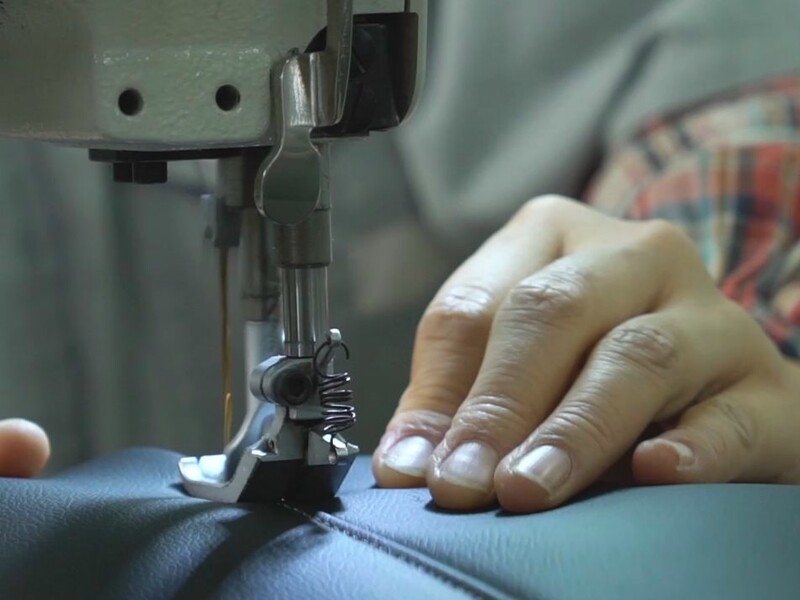
Once the internal systems are installed, the exterior structure and upholstery are assembled. This stage shapes the buyer-facing appearance of the massage chair and affects the final impression in showrooms, ecommerce listings, retail stores, and customer homes.
Exterior assembly may include:
- Seat cushion installation
- Backrest and shoulder covering
- Arm panels
- Footrest covers
- PU leather or synthetic leather upholstery
- Plastic exterior panels and decorative trims
Appearance consistency should be checked during this step. Buyers should pay attention to stitching, color consistency, panel gaps, leather tension, surface cleanliness, and whether the final look matches approved samples.
Step 6: Functional Testing and Quality Control
Functional testing confirms whether the finished product operates as intended. For massage chairs, this process is especially important because the product includes several working systems inside one unit.
Typical functional checks include:
- Massage programs
- Reclining functions
- Heating functions
- Airbag performance
- Remote control or touchscreen operation
- Footrest, calf, or leg massage operation
- Noise, movement smoothness, and response to control commands
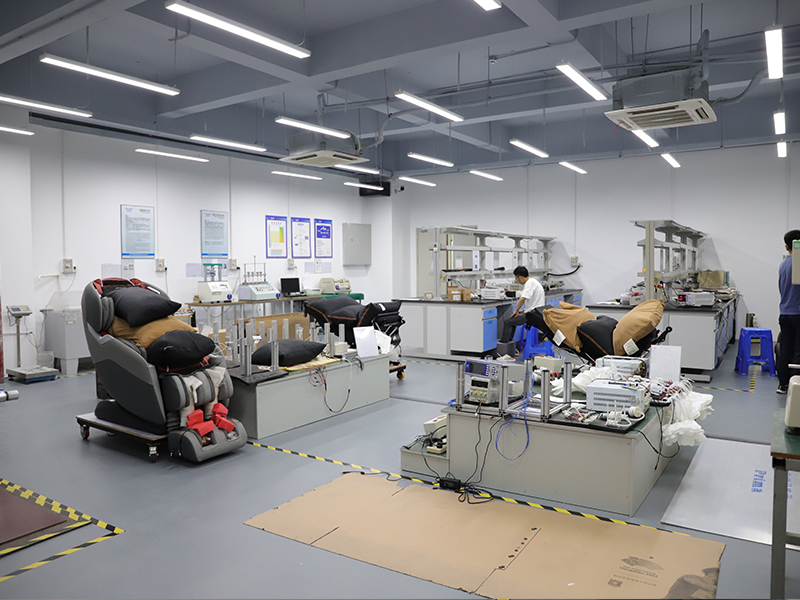
Forrest’s Quality Control page describes checks across materials, components, assembly, function testing, aging review, final inspection, packaging, and shipment readiness. Buyers can use this type of process review to evaluate whether a factory has repeatable quality control instead of relying only on final inspection.
Step 7: Aging and Durability Testing
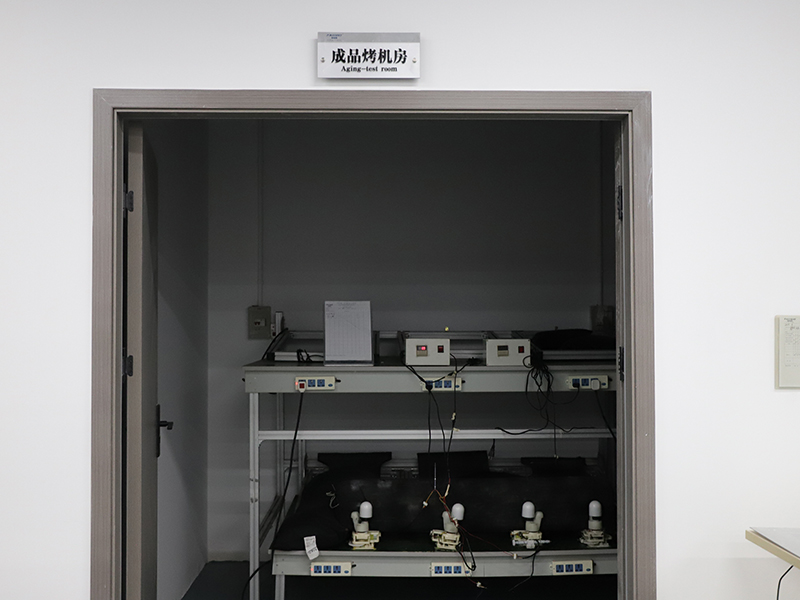
Aging and durability testing help identify potential problems before products are packed and shipped. For massage chairs, this stage can simulate repeated operation and continuous use to review product stability.
Testing may simulate:
- Repeated massage cycles
- Continuous operation
- Electrical load testing
- Reclining and mechanism movement
- Air pump and airbag performance over repeated use
The purpose is to find potential failures before the chair reaches the buyer’s market. This can reduce after-sales risk, replacement cost, customer complaints, and local service pressure.
Step 8: Final Inspection and Packaging
Before shipment, massage chairs should go through final inspection and packaging review. This step confirms whether the product is ready for warehouse storage, container loading, local delivery, and retail or ecommerce handling.
Final inspection usually checks:
- Appearance
- Function
- Accessories
- Labels
- Packaging
- Carton marks and product documentation
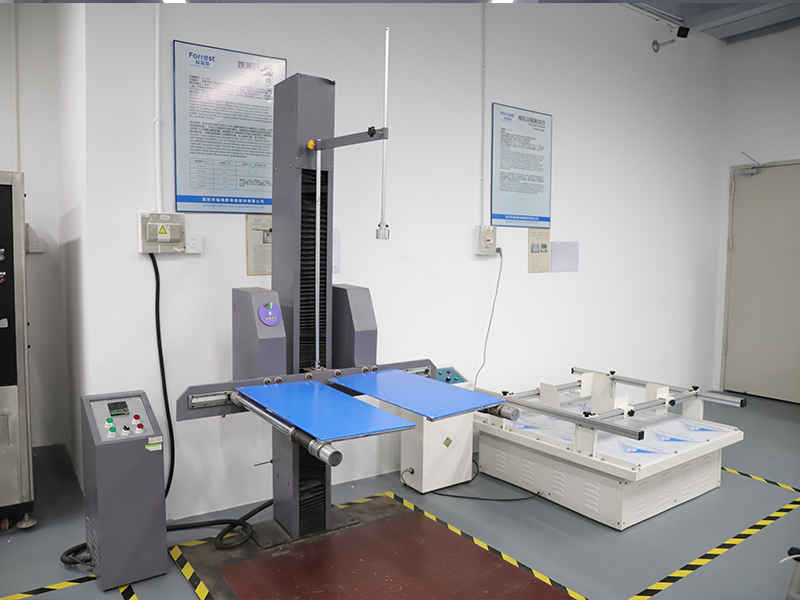
Packaging may include outer cartons, protective foam, manuals, labels, accessories, and internal protection materials. For massage chairs, packaging is not a small detail. Because the product is large and relatively complex, poor packaging can create damage during transportation, warehouse handling, or last-mile delivery.
How Quality Control Supports Manufacturing Consistency
Manufacturing consistency depends on quality control across the whole process, not only at the end. If incoming materials are inconsistent, assembly becomes harder. If wiring is not controlled, functional testing may reveal avoidable failures. If packaging is weak, a good product can still arrive damaged.
A structured quality control process should cover:
- Incoming materials
- Component verification
- Assembly process control
- Functional testing
- Aging and reliability review
- Final inspection
- Packaging and shipment readiness
For buyers, it is useful to review both Quality Control and Certifications when comparing massage chair suppliers. Quality control shows how the factory manages production consistency, while certifications and compliance documents help buyers review supplier qualification and market-entry support.
Common Factors That Affect Massage Chair Quality
When evaluating a massage chair factory, buyers should look beyond the product photo. Several manufacturing and component factors can affect product quality and long-term reliability.
- Motor quality: Motors affect mechanism movement, reclining, footrest operation, noise, and durability.
- Massage mechanism design: Mechanism structure affects massage feel, pressure, smoothness, coverage, and product tier.
- Electronic components: Control boards, wiring, sensors, and display systems affect reliability and user operation.
- Assembly precision: Frame alignment, mechanism positioning, wiring routing, and panel fit all affect final product quality.
- Testing standards: A clear testing process helps reduce shipment risk and after-sales problems.
- Packaging design: Large products need suitable carton structure, foam protection, labels, and handling preparation.
How Forrest Manufactures Massage Chairs
Forrest follows a structured manufacturing process that includes component inspection, assembly control, functional testing, quality verification, and export packaging preparation to support global distributors and OEM/ODM partners.
Forrest’s factory is built around massage and wellness equipment production, covering workshop assembly, product function testing, packaging, warehouse management, and showroom display for customer review. The factory supports B2B orders with organized production areas, product verification steps, and shipment-ready warehouse coordination.
For massage chair buyers, Forrest can support model selection, product specification review, OEM/ODM discussion, quality control communication, certification document review, packaging discussion, and export coordination based on the target market and order plan.
Related Resources
FAQ
What materials are used in massage chairs?
Massage chairs commonly use metal frames, motors, massage mechanisms, airbags, electronic control boards, wiring harnesses, sensors, plastic exterior panels, PU leather or synthetic leather, foam cushioning, and packaging materials. The exact materials depend on the model and product tier.
How long does it take to manufacture a massage chair?
Manufacturing time depends on the model, order quantity, customization level, component availability, sample confirmation, packaging requirements, and factory schedule. Standard ODM orders are usually faster than deeply customized OEM projects.
What quality tests are performed on massage chairs?
Common tests include component inspection, assembly checks, massage program testing, reclining function checks, airbag pressure tests, heating checks, remote control or touchscreen operation, electrical safety review, aging tests, final inspection, and packaging verification.
How are massage chair motors tested?
Motor testing may include operation checks, noise review, movement smoothness, electrical performance, load behavior, repeated operation, and compatibility with the mechanism or reclining system. The exact test depends on the motor’s function in the chair.
Can manufacturers customize massage chair components?
Yes. Component customization can be discussed for OEM or private label projects, including functions, appearance, upholstery, packaging, control interface, and selected configurations. Final options depend on model feasibility, order quantity, certification requirements, and production schedule.
Conclusion
Massage chair quality is determined not only by features, but also by the manufacturing process behind them. Components, frame structure, mechanism installation, electronics, upholstery, testing, aging, inspection, and packaging all affect the final product.
Understanding how massage chairs are manufactured helps buyers evaluate suppliers, compare product quality, and make more informed purchasing decisions. A capable factory should be able to explain not only what a massage chair can do, but also how it is built, tested, inspected, and prepared for shipment.
If you are sourcing massage chairs for distribution, retail, ecommerce, or OEM/ODM projects, Contact Forrest with your target market, preferred model type, order quantity, customization needs, and quality requirements. The team can help recommend suitable models and discuss manufacturing support for your project.