
Massage Chairs for Gyms: How Fitness Centers Can Choose the Right Recovery Chair
A good gym no longer ends at the last rep. Many fitness centers, wellness clubs, hotels, apartment gyms, and private studios now want a quiet recovery corner where members can slow down, relax, and feel that the facility supports the whole workout routine.
That is where a massage chair for gyms becomes useful. It is not only a comfort product. For a gym operator, it can become part of the member experience, a premium service area, a recovery room feature, or a wellness upgrade that helps the club stand out from a basic equipment floor.
But choosing massage chairs for a gym is different from choosing one for a living room. Buyers need to think about space, user traffic, cleaning, simple operation, product durability, certification requirements, spare parts, and whether the model fits the club’s positioning.
This guide explains how fitness centers and B2B buyers can choose the right massage chair for gym recovery rooms, member lounges, wellness areas, and commercial fitness projects.
Are Massage Chairs a Good Fit for Gyms?
Massage chairs can be a strong fit for gyms when the facility has a clear plan for placement, member use, and maintenance. The strongest results usually come from using massage chairs as part of a dedicated recovery or wellness area instead of placing them randomly beside training equipment.
For gym owners and fitness equipment buyers, massage chairs can support several business goals:
- Add a recovery-focused amenity for members after workouts.
- Create a quieter premium area for VIP, personal training, or wellness members.
- Give staff a low-touch comfort feature that does not require one-on-one service.
- Help differentiate a club from competitors with similar strength and cardio equipment.
- Build a broader wellness product mix around massage chairs, massage guns, foot massagers, or other relaxation equipment.
The key is product fit. A small personal training studio may need a compact massage chair with simple controls. A full health club may prefer a stronger 3D massage chair with zero gravity, airbags, heating, and a richer control interface. A hotel fitness center or apartment gym may care most about space-saving installation, easy operation, and a clean visual design.
What Makes a Massage Chair Suitable for Gym Use?
When buying massage chairs for gyms, buyers should compare more than the model name or price. A gym chair needs to work in a shared space, serve different users, and stay easy to manage over time.
1. Space-Saving Placement
Gym recovery areas often have limited floor space. A massage chair should be easy to place without blocking walking routes, emergency exits, lockers, stretching zones, or cleaning access.
Zero space or zero wall design is especially useful because the chair can recline with less clearance behind it. Compact models can also help smaller gyms, boutique studios, apartment fitness rooms, and wellness corners add massage seating without giving up too much usable floor area.
Before ordering, buyers should confirm:
- Product size and reclining clearance.
- Power outlet position.
- Walking space around the chair.
- Delivery access through doors, elevators, and corridors.
- Whether the chair will sit in an open area, private room, or lounge-style layout.
2. Simple Member Operation
A gym massage chair may be used by many people with different ages, languages, and comfort preferences. The controls should be clear enough for first-time users.
Important operation features include:
- Automatic massage programs for quick start.
- Simple LCD or touchscreen control.
- Clear program, intensity, and time selection.
- Shortcut keys when available.
- Easy stop or power controls.
For shared gym use, a long feature list is less valuable if members cannot understand the chair quickly. A good chair should let users sit down, choose a program, adjust intensity if needed, and finish the session without staff help.
3. Full-Body Coverage and Function Level
Different gyms need different massage functions. Entry-level spaces may only need a straightforward 2D massage chair. Premium recovery rooms may need 3D massage, air compression, heating, foot and calf massage, and a better control interface.
Common features to compare include:
- 2D or 3D massage mechanism.
- SL curve rail for back, waist, hip, or head-to-seat coverage.
- Zero gravity positioning.
- Full-body airbag compression.
- Waist, calf, or foot heating when available.
- Foot rollers or calf rolling.
- Automatic programs.
- Adjustable massage strength or airbag intensity.
- Bluetooth music or other comfort functions.
The right choice depends on the gym’s positioning. A compact studio does not need to buy the highest specification chair if the main goal is a simple relaxation corner. A premium health club, however, may need a more complete chair so the recovery area feels intentional rather than basic.
4. Cleaning and Daily Management
Shared wellness equipment must be easy to manage. Gym buyers should ask the supplier about recommended cleaning methods, surface materials, maintenance points, and available replacement parts.
Useful questions include:
- Which surfaces should be wiped after member use?
- Are removable or replaceable covers available for high-contact areas?
- What cleaning products should be avoided?
- Which parts are most commonly replaced after long-term use?
- How should the chair be checked during daily or weekly facility inspections?
The goal is to make the massage chair part of the gym’s normal operating routine. If cleaning and maintenance are unclear, the chair may become harder to manage after the first busy season.
5. Electrical Safety and Market Compliance
Massage chairs include motors, control boards, wiring, heating modules, adapters or power systems, airbags, controllers, and sometimes Bluetooth functions. For commercial buyers, compliance should be reviewed before purchase.
Certification requirements vary by target market and sales channel. Importers, distributors, and gym project buyers should confirm the certificate plan with the supplier early, especially for Europe, North America, Japan, Korea, the Middle East, and other regulated markets.
At minimum, buyers should ask:
- What voltage and plug options are available?
- Which certificates or test reports can be provided for the target market?
- Are certificates model-specific?
- Are manuals, labels, and packaging suitable for the destination country?
- Can the supplier support documentation for customs or project review?
Which Type of Massage Chair Fits Different Gym Spaces?
There is no single chair model for every gym. A better approach is to match chair level to the facility type, available space, expected member traffic, and service positioning.
| Gym or wellness space | Recommended chair direction | What to prioritize |
|---|---|---|
| Boutique studio or personal training room | Compact 2D or compact 3D chair | Space-saving design, simple controls, clear automatic programs |
| Apartment gym or hotel fitness center | Compact zero gravity chair | Easy placement, clean appearance, low-touch operation |
| Mid-size fitness club recovery area | Air 3D zero gravity chair | Stronger massage functions, airbags, heating, LCD control |
| Premium health club or VIP lounge | Smart 3D chair with touchscreen | Broader full-body coverage, richer programs, stronger visual value |
| Distributor or project buyer assortment | Mixed product range | Entry, mid-range, and premium models for different customers |
Forrest Massage Chair Options for Gym Recovery Areas
Forrest supplies massage chairs for wholesale, distributor, and OEM/ODM projects. For gym-related projects, buyers can choose from compact models, Air 3D zero gravity chairs, and higher-spec smart 3D massage chairs depending on the recovery room concept.
FR-310: Compact 2D Massage Chair for Smaller Gym Spaces
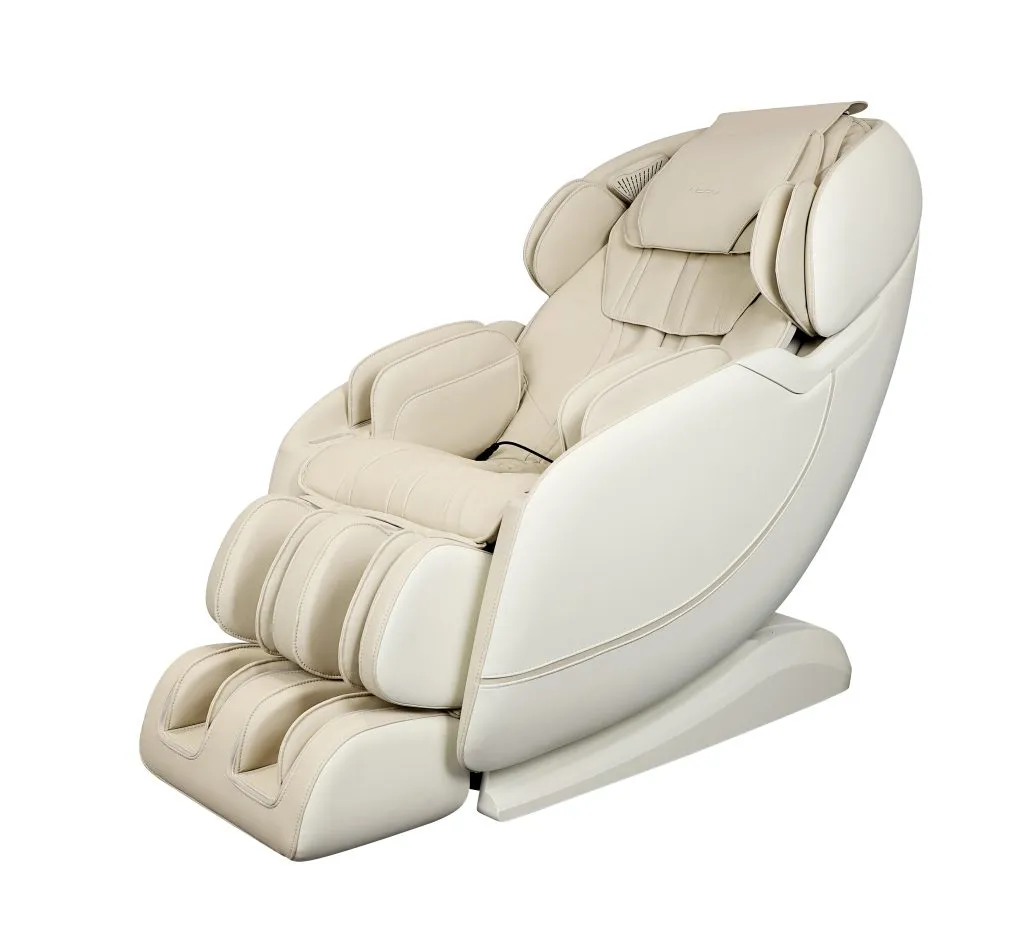
The Forrest FR-310 is a compact 2D massage chair for full-body coverage in homes, offices, elderly-care rooms, small businesses, and showrooms. For gyms, it fits smaller recovery areas that need a simple, easy-to-place chair without a complex feature stack.
Key features include zero gravity positioning, an SL curve rail, 3 automatic programs, full-body air compression, waist heating, calf rolling, and space-saving installation. It is a practical option for boutique gyms, personal training studios, apartment fitness rooms, and entry-level recovery corners.
FR-330: Compact Air 3D Massage Chair for Room-Conscious Recovery Areas
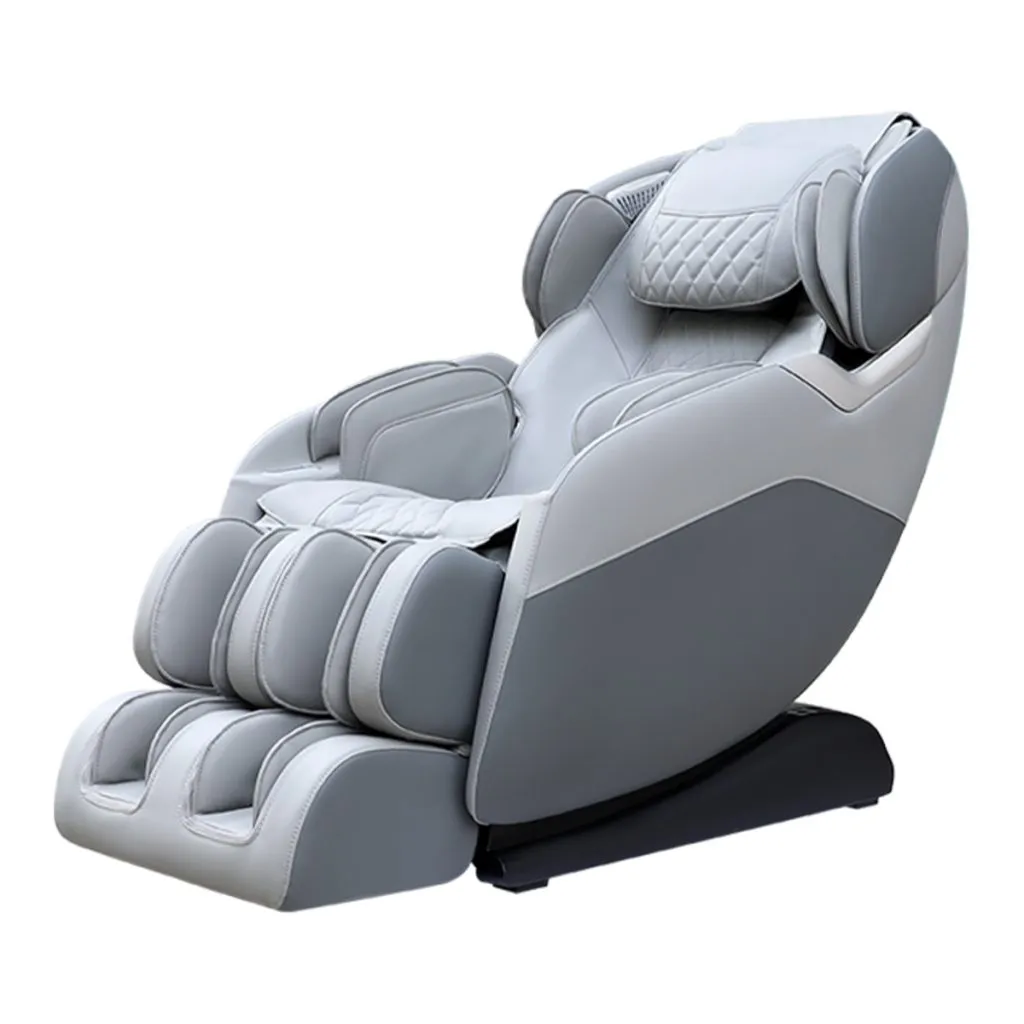
The Forrest FR-330 adds Air 3D massage to a compact full-body chair format. It combines zero gravity positioning, zero space saving, SL curve rail coverage, full-body airbag compression, 16 automatic programs, waist heating, Bluetooth music, and a 3.5-inch LCD screen.
For gyms, the FR-330 is useful when the facility wants more function than a 2D chair but still needs a compact footprint. It can fit wellness corners, apartment gyms, small clubs, and showroom-style recovery areas where space matters.
FR-500: Air 3D Zero Gravity Massage Chair for Health Club Recovery Rooms
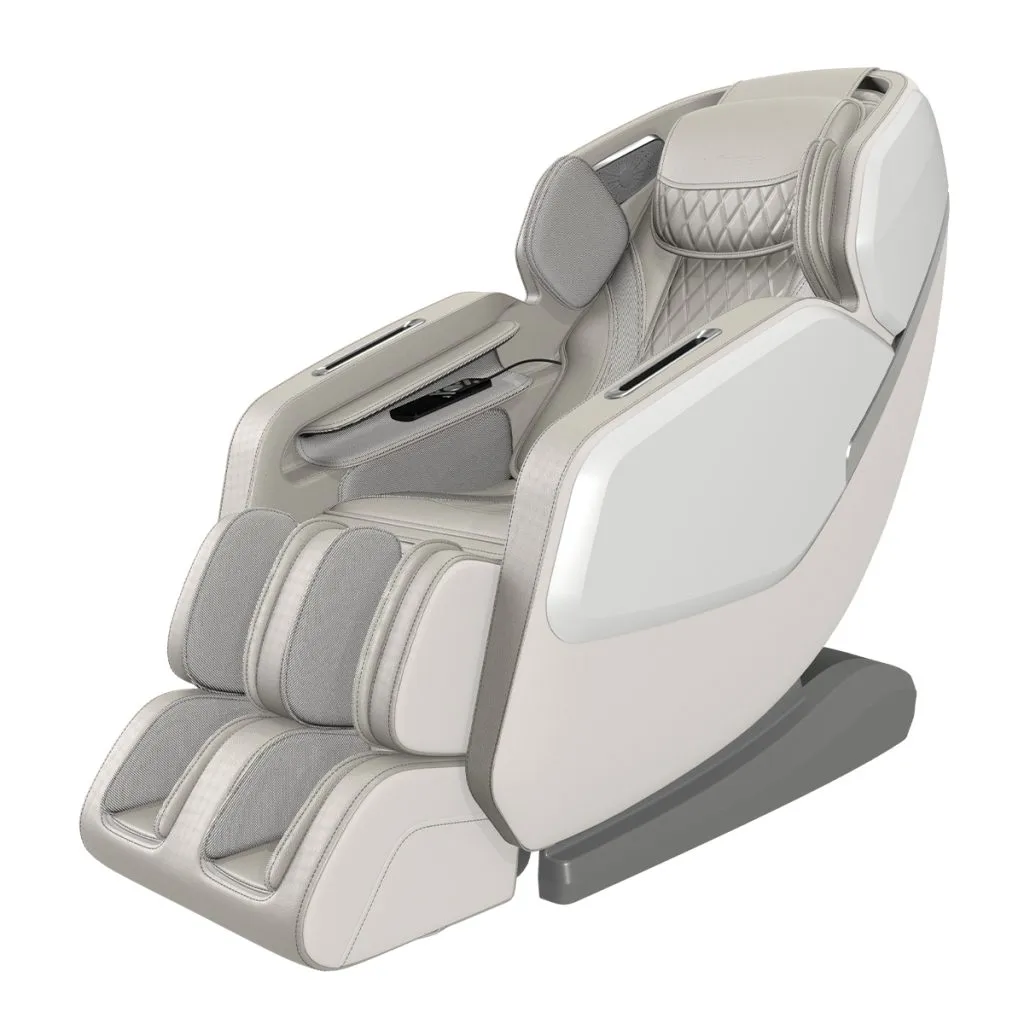
The Forrest FR-500 is a mid-range Air 3D zero gravity massage chair with SL curve rail support, 16 automatic programs, full back width adjustment, full-body airbags, waist and upper foot heating, adjustable massage strength, Bluetooth music, and a 3.5-inch UI LCD screen.
This model works well for fitness centers that want a stronger recovery room chair without moving into the highest smart-chair tier. Its full-body function set gives gym members a more complete massage experience, while LCD operation keeps the control style straightforward.
FR-700 and FR-700 Plus: Smart 3D Massage Chairs for Premium Gym Lounges
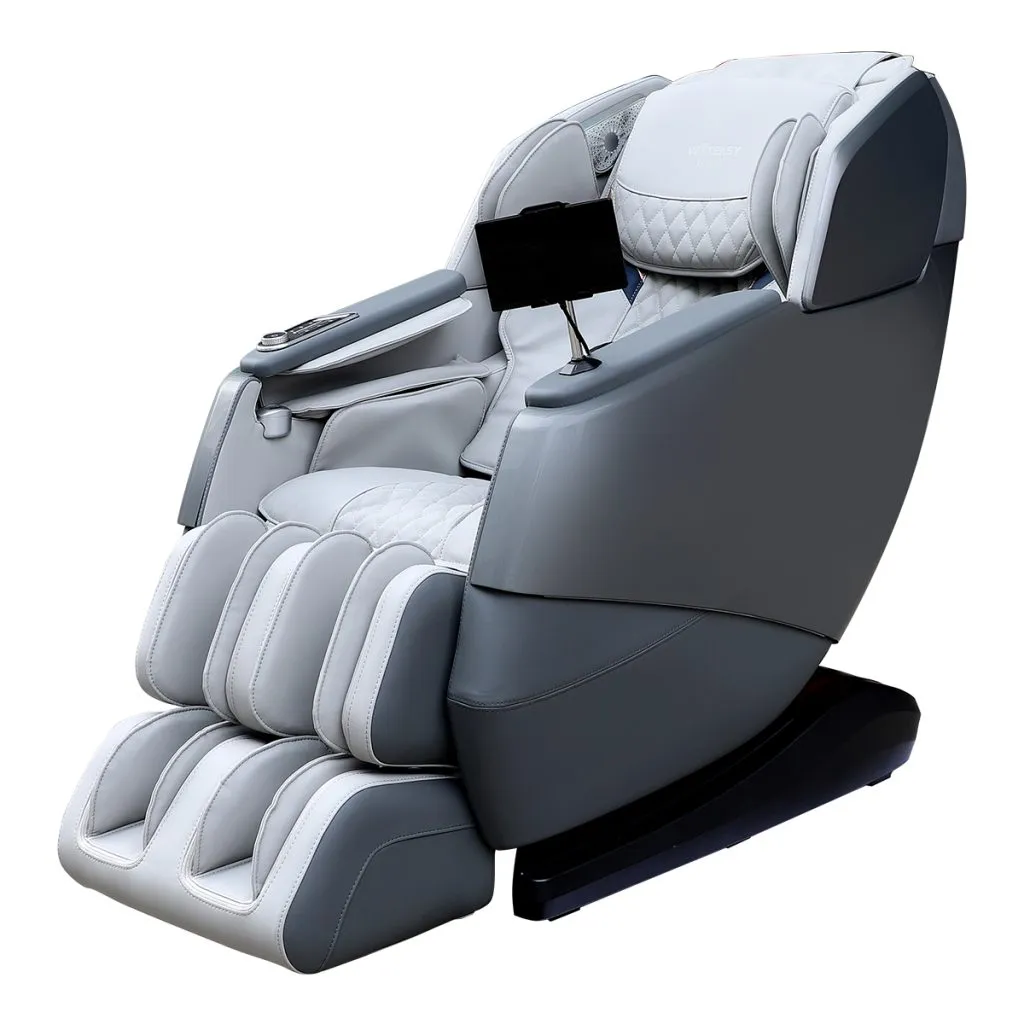
The Forrest FR-700 is an intelligent 3D massage chair with a 3D mechanical hand, zero gravity function, SL curve rail, 16 automatic programs, full back width adjustment, full-body airbag compression, waist heating, Bluetooth music, and a 7-inch touchscreen.
The Forrest FR-700 Plus sits in a higher smart 3D chair tier. It includes gear 3D massage, zero gravity positioning, zero space design, an SL curve rail, 16 automatic programs, full-body airbags, waist heating, a 7-inch smart touchscreen, armrest shortcut keys, and Bluetooth music. Optional functions such as negative ions, detection, voice control, calf heating, and USB charging can be discussed by project requirement.
For premium gyms, VIP lounges, health clubs, and wellness showrooms, these models help create a stronger member-facing recovery experience. They also give distributors and project buyers a clearer premium product story.
FR-700D: Dual 3D Mechanism Chair for Upper-Tier Projects
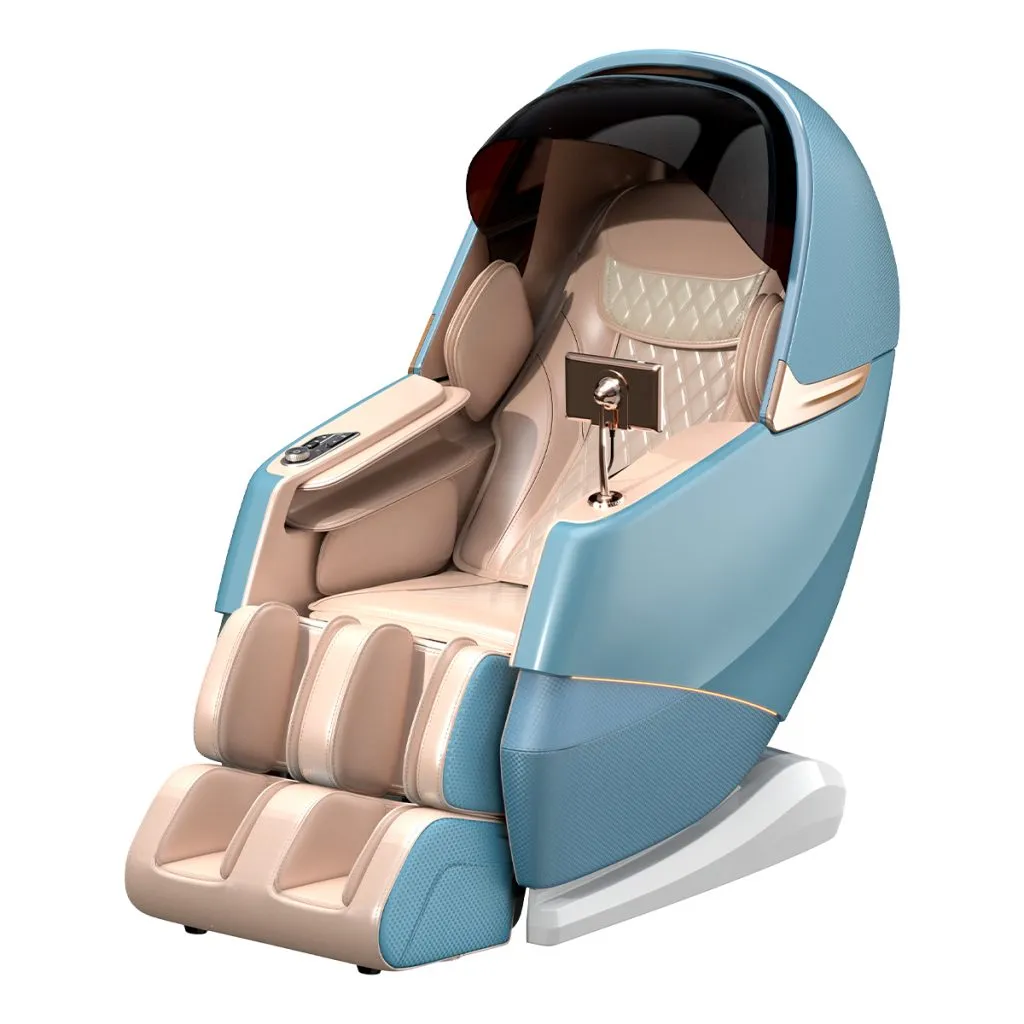
The Forrest FR-700D is a higher-spec massage chair built around a dual gear 3D massage mechanism. It includes an SL rail, two-section flexible rail, zero gravity positioning, zero space design, 16 automatic programs, full-body airbag massage, adjustable airbag strength, adjustable massage strength, waist heating, Bluetooth music, shortcut keys, and a 7-inch smart touchscreen.
For gym projects that need a stronger feature set, the FR-700D can support upper-tier recovery rooms, showroom projects, and distributor assortments where dual 3D massage and smart control presentation matter.
How to Plan a Gym Recovery Area with Massage Chairs
The chair is only one part of the member experience. Placement, rules, cleaning, and traffic flow decide whether the recovery area feels calm and useful.
Consider these setup points before installation:
- Place massage chairs away from heavy lifting noise when possible.
- Keep enough space for users to enter, sit, recline, and leave safely.
- Use clear session timing, especially during peak hours.
- Place cleaning wipes or staff cleaning procedures nearby.
- Keep cords organized and protected.
- Add soft lighting or a quieter lounge layout if the facility supports it.
- Position the area where staff can monitor use without making it feel exposed.
For larger clubs, two or more chairs can reduce waiting time. For smaller studios, one well-placed compact chair may be enough to create a recovery touchpoint.
Should Gyms Add Other Massage Products Too?
Massage chairs can be the main feature of a recovery room, but gyms may also consider smaller products depending on the space and budget.
Massage guns are useful for fitness accessory assortments, retail counters, trainer-supported recovery areas, and gift-style sales. Foot massagers can support seated rest zones or wellness rooms. Neck, back, and lumbar cushions may fit smaller facilities that cannot allocate space for full-size massage chairs.
For B2B buyers, a mixed wellness product range can serve different channels:
- Full-body massage chairs for recovery lounges and premium spaces.
- Massage guns for fitness retail and portable recovery use.
- Foot massagers for seated rest areas and wellness rooms.
- Massage cushions or pillows for compact comfort product lines.
The right mix depends on the facility, sales model, target users, and available space.
Questions to Ask Before Buying Massage Chairs for Gyms
Before confirming an order, gym owners, distributors, and project buyers should ask the supplier a practical set of questions.
Product Fit
- Which model fits my room size and target user group?
- Is the chair designed for compact placement, zero wall use, or larger lounge areas?
- What is the product size, packing size, net weight, and container loading quantity?
Function and User Experience
- How many automatic programs are included?
- Does the chair offer 2D, Air 3D, gear 3D, or dual 3D massage?
- Does it include zero gravity, SL rail, airbags, heating, foot massage, or adjustable strength?
- Is the control system easy for first-time users?
Commercial Operation
- What cleaning and maintenance guidance is available?
- Which spare parts can be supplied?
- What is the recommended inspection routine?
- What after-sales support is available for distributors or project buyers?
Compliance and Import
- What voltage and plug options are available?
- Which certificates are available for the target market?
- Are manuals, labels, and packaging available in the required language?
- Can the supplier support export documents and shipment coordination?
OEM/ODM
- Can the chair support logo customization?
- Are color, material, package, or function options available?
- What customization is realistic at the estimated order quantity?
- Can the supplier recommend models based on market level and price range?
Common Mistakes When Choosing Gym Massage Chairs
Mistake 1: Buying only by price
A low unit price may look attractive, but massage chairs are large products with motors, electronics, moving structures, and packaging requirements. Buyers should compare function, quality control, certificates, packing, after-sales support, and total landed cost.
Mistake 2: Choosing a chair that is too large for the room
A strong chair is not useful if it blocks the room, makes cleaning difficult, or cannot recline properly. Always check the product size and clearance needs before ordering.
Mistake 3: Ignoring user simplicity
A gym massage chair should be easy to operate. If members need staff help every time, the amenity becomes harder to manage.
Mistake 4: Overpromising recovery results
Massage chairs should be presented as wellness and relaxation equipment, not as medical treatment. Gym marketing should focus on comfort, post-workout relaxation, member experience, and recovery-room value without making unsupported health claims.
Mistake 5: Forgetting compliance and documentation
Electrical wellness products require careful document review. Buyers should confirm certificates, voltage, labels, manuals, and import requirements before mass production.
FAQ: Massage Chairs for Gyms
Can a normal home massage chair be used in a gym?
Some home-style massage chairs may fit light commercial spaces, but gyms should evaluate usage frequency, cleaning needs, product durability, electrical compliance, warranty terms, and available spare parts before buying. For B2B projects, it is better to discuss the use case clearly with the supplier.
How many massage chairs does a gym need?
Small studios may start with one chair. Larger health clubs or recovery rooms may need multiple chairs to reduce waiting time. The right number depends on member traffic, room size, session length, and whether the massage chair is part of a premium membership area.
What features matter most for gym recovery rooms?
Useful features include zero gravity positioning, space-saving installation, automatic programs, simple controls, SL rail coverage, airbag compression, heating, and clear intensity adjustment. Premium gyms may also value touchscreen control, Bluetooth music, and higher-spec 3D mechanisms.
Are massage chairs suitable for personal training studios?
Yes, if space allows. A compact massage chair can give private studios a simple recovery corner for clients after training sessions. The chair should be easy to place, easy to clean, and simple to operate.
Can Forrest support OEM/ODM massage chair projects for gyms?
Forrest supports B2B massage and wellness product projects, including model recommendation, wholesale supply, and OEM/ODM discussion based on project needs. Buyers can share the target market, order quantity, preferred chair level, voltage, certification requirements, and customization needs for a more accurate recommendation.
Conclusion
A massage chair for gyms should be chosen as part of a recovery experience, not as a random furniture purchase. The right model depends on the facility type, available space, expected member use, function level, cleaning routine, compliance needs, and long-term support plan.
For compact studios, a space-saving 2D or compact Air 3D chair may be enough. For mid-size health clubs, an Air 3D zero gravity chair can provide a stronger full-body experience. For premium gyms and wellness lounges, smart 3D massage chairs with touchscreen control, airbags, heating, and broader massage coverage can better match the club’s positioning.
If you are sourcing massage chairs for gyms, fitness centers, wellness rooms, or recovery lounge projects, contact Forrest with your target market, room size, expected order quantity, voltage and certificate requirements, and preferred product level. The team can recommend suitable massage chair models and discuss wholesale or OEM/ODM options for your project.